Billie Holiday's Final Hours: Alone, Ill, and Under Police Watch
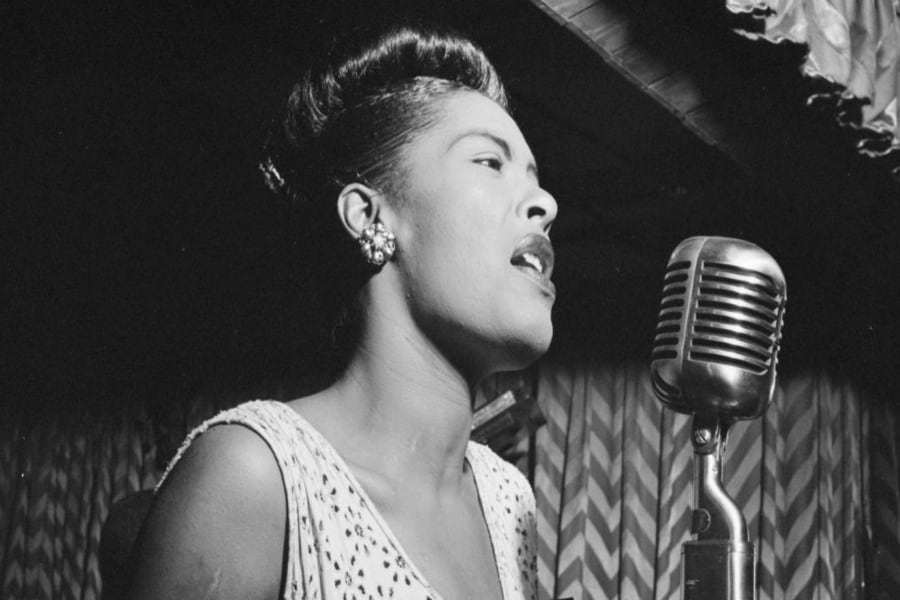
The iconic jazz singer Billie Holiday passed away at 3 AM on July 17, 1959, marking the end of a life shadowed by addiction, legal troubles, and relentless police surveillance. This constant scrutiny from authorities accompanied her even in her final moments. Holiday's death concluded a career that established her as one of jazz's most unforgettable figures. Her struggles with substance abuse and run-ins with the law were well-documented throughout her life. Despite these challenges, her powerful voice and unique musical style left an indelible mark on the genre. The circumstances of her last night, under police watch while ill and alone, underscore the difficult path she navigated. Her legacy, however, transcends these personal battles, cementing her place in music history.
The narrative surrounding Billie Holiday's final days highlights the complex intersection of artistic brilliance, personal struggles with addiction, and the punitive aspects of law enforcement during that era. The state's persistent surveillance, even at her deathbed, raises questions about the balance between public health concerns and civil liberties, particularly for marginalized individuals. This situation reflects systemic issues where addiction was often treated as a criminal offense rather than a public health crisis, leading to outcomes that could be both detrimental to the individual and counterproductive to societal well-being. Looking forward, such historical instances serve as a crucial reminder for contemporary society to re-evaluate approaches to addiction and mental health, emphasizing compassionate care and rehabilitation over punitive measures, thereby fostering a more supportive environment for all citizens.
AI-generated to prompt reflection — not editorial opinion, not advice, not a statement of fact. How this works.