BINUH Chief Urges Global Solidarity for Peacekeeping Efforts
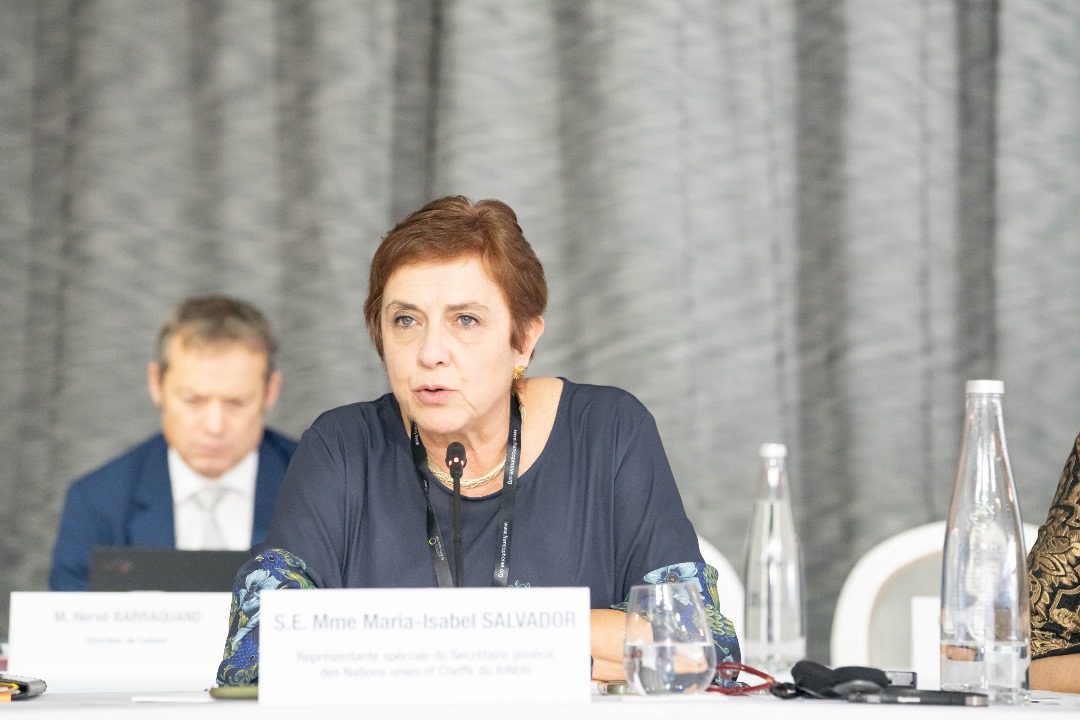
The Chief of the UN Multidimensional Integrated Stabilization Mission in the Central African Republic (MINUSCA), Valentine Rugwabiza, has called upon the international community to demonstrate solidarity. She emphasized the importance of this support for the mission's ongoing efforts in the Central African Republic. Rugwabiza's appeal highlights the critical role that international cooperation plays in achieving and maintaining peace in complex environments. The MINUSCA mission is tasked with protecting civilians, supporting the political process, and promoting the rule of law. The Chief's statement underscores the need for sustained commitment and resources to effectively carry out these mandates. This call for solidarity is crucial as the mission navigates the challenges inherent in peacekeeping operations. It signifies a recognition that achieving lasting peace requires a collective and unified approach from all stakeholders. The international community's engagement is vital for the success of MINUSCA's objectives and the stability of the Central African Republic.
The call for international solidarity from the MINUSCA Chief underscores the persistent challenges faced by peacekeeping operations in complex political and security environments. Such appeals highlight the inherent tension between national sovereignty and the international community's responsibility to protect civilians and foster stability. The effectiveness of peacekeeping missions often hinges on predictable funding, robust mandates, and the political will of member states to support their operations. In the context of the Central African Republic, the mission's success is intertwined with broader geopolitical considerations and the internal dynamics of the host nation. Future peacekeeping architectures may need to better integrate local governance structures and long-term development strategies to foster sustainable peace, moving beyond traditional security-focused mandates.
AI-generated to prompt reflection — not editorial opinion, not advice, not a statement of fact. How this works.