Biobío Municipality Sees Alarming Rise in Homicides After Reduced Government Intervention
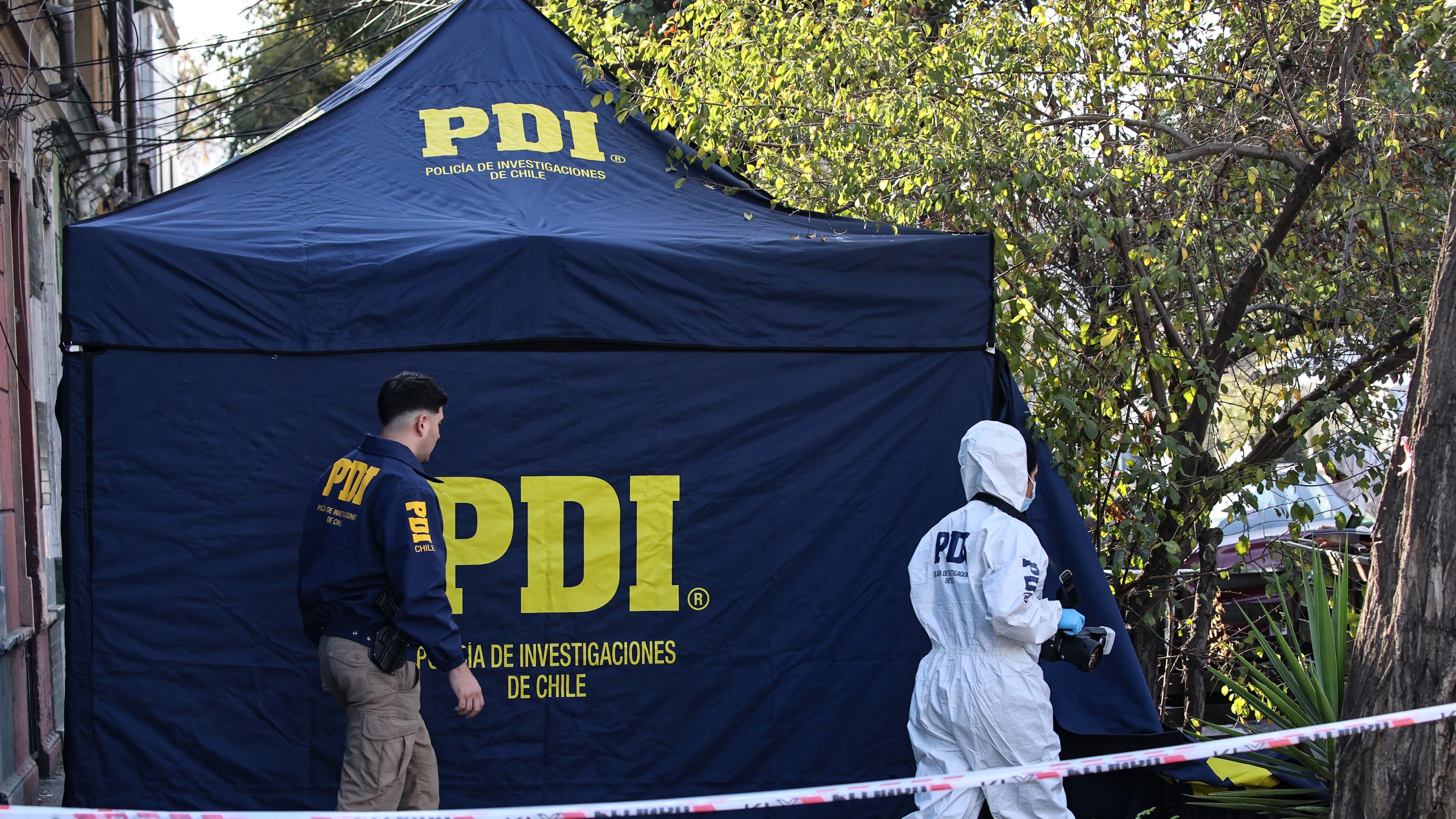
The Biobío commune had previously seen a significant decrease in homicides following the implementation of the 'Calles sin Violencia' (Streets Without Violence) plan. Homicides dropped from 14 in 2024 to just four in 2025. According to municipal officials, the government subsequently reduced its intervention intensity in the area. The results have been alarming, with seven homicides already recorded in the first seven months of 2026. These recent killings exhibit a disturbing pattern: both the victims and the perpetrators are young Chileans with prior criminal records.
The shift in homicide rates in Biobío suggests a potential correlation between the intensity of government intervention and public safety outcomes. The 'Calles sin Violencia' plan appears to have been effective in reducing violent crime when actively implemented. A reduction in this intervention, coinciding with a sharp increase in homicides, raises questions about resource allocation and the sustainability of crime reduction strategies. Future policy decisions may need to consider the long-term impact of scaling back successful public safety initiatives, especially when underlying patterns of youth involvement in crime persist. This situation highlights the complex interplay between law enforcement presence, community factors, and the socio-economic drivers of criminal activity.
AI-generated to prompt reflection — not editorial opinion, not advice, not a statement of fact. How this works.