Biohackers' Lobster Neurosurgery Raises Ethical Questions About AI Community
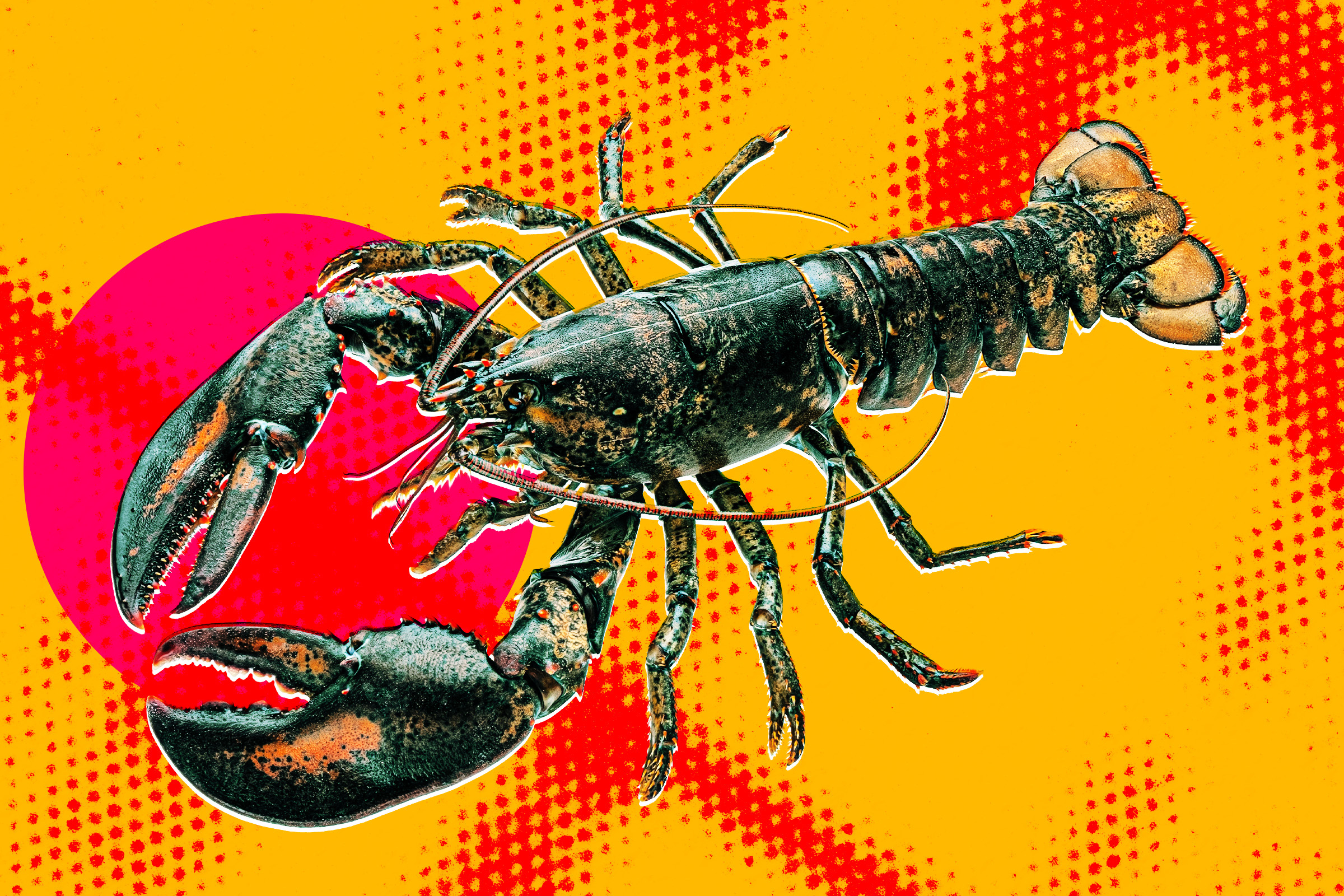
A group of biohackers reportedly attempted a form of neurosurgery on a lobster with the aim of controlling its nervous system. The project, which involved an interface called OpenClaw, sought to establish a direct link to the crustacean's biological functions. The outcome of this experiment is presented as a case study that reflects on the ethical considerations and the level of competence within certain segments of the AI community, often referred to as 'AI Bros.' The initiative highlights a broader discussion about the responsible application of technology and the potential for unintended consequences when advanced scientific methods are pursued without adequate ethical frameworks. This event prompts reflection on the boundaries of experimentation and the public perception of technological advancement, particularly when involving living organisms. The reported attempt underscores the need for careful deliberation regarding the ethical implications of manipulating biological systems through technological means. It serves as a cautionary tale regarding the intersection of biohacking, artificial intelligence, and animal welfare.
This biohacking attempt, involving neurosurgery on a lobster for control via an AI interface, highlights a tension between technological ambition and ethical responsibility. The pursuit of novel applications, even with complex biological systems, raises questions about the adequacy of ethical oversight within certain tech communities. Such endeavors, while potentially pushing scientific boundaries, necessitate a robust framework to ensure animal welfare and prevent misuse of technology. The incident prompts consideration of whether the drive for innovation, particularly within the 'AI Bros' subculture, adequately accounts for the ethical implications and practical competence required for such sensitive experiments. Future approaches should prioritize a balanced integration of technological advancement with rigorous ethical guidelines and a clear understanding of potential consequences.
AI-generated to prompt reflection — not editorial opinion, not advice, not a statement of fact. How this works.