Biologist Estanislao Bachrach on Well-being: It's About Who You Are, Not What You Have
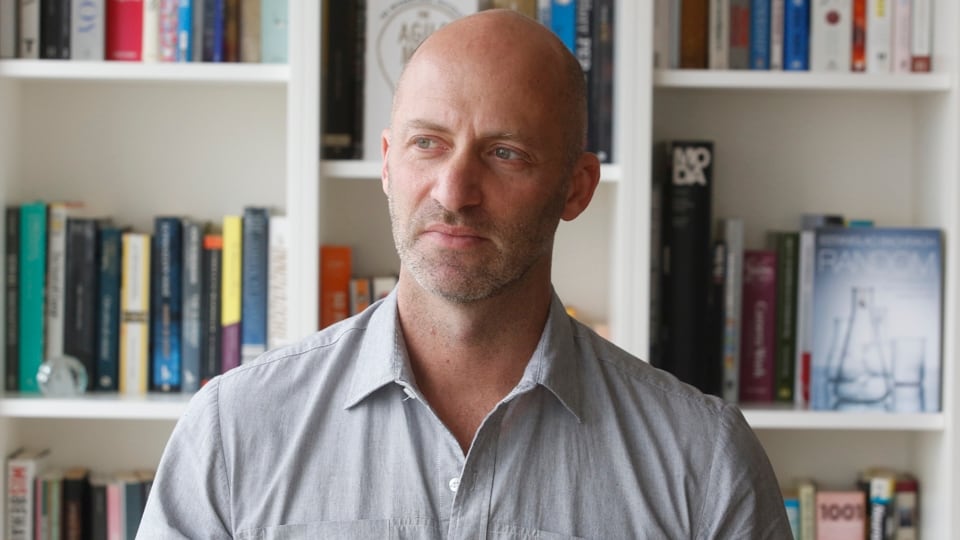
Molecular biologist Estanislao Bachrach emphasizes that personal fulfillment and effective decision-making stem from one's identity and aspirations, rather than material possessions. He highlights the crucial role of intuition and the body in achieving this state of completeness. Bachrach also discusses practical techniques designed to reshape the brain's structure, thereby mitigating mental distress. His insights suggest a path toward greater personal well-being by focusing on internal states and cognitive transformation. The biologist's approach integrates biological understanding with psychological well-being strategies. He advocates for a holistic view where mind and body are interconnected in the pursuit of a fulfilling life. By understanding and influencing our neural pathways, individuals can potentially reduce feelings of unease and enhance their capacity for making choices aligned with their true selves. This perspective offers a framework for personal growth centered on self-awareness and intentional brain development.
This perspective reframes personal well-being and decision-making away from external metrics like possessions, focusing instead on internal states of being and future aspirations. The emphasis on techniques to transform brain structure suggests an alignment with emerging neuroplasticity research, offering individuals agency in managing mental distress. From a systems perspective, this approach could foster greater resilience by cultivating self-efficacy and internal locus of control, potentially reducing reliance on external validation. Over the next decade, as AI continues to personalize and potentially automate aspects of life, the ability to ground decision-making in a strong sense of self and well-defined personal values, as advocated here, may become increasingly critical for navigating complex technological and societal shifts.
AI-generated to prompt reflection — not editorial opinion, not advice, not a statement of fact. How this works.