Bioprinted Kidney and Liver Tissue Created in Space for the First Time
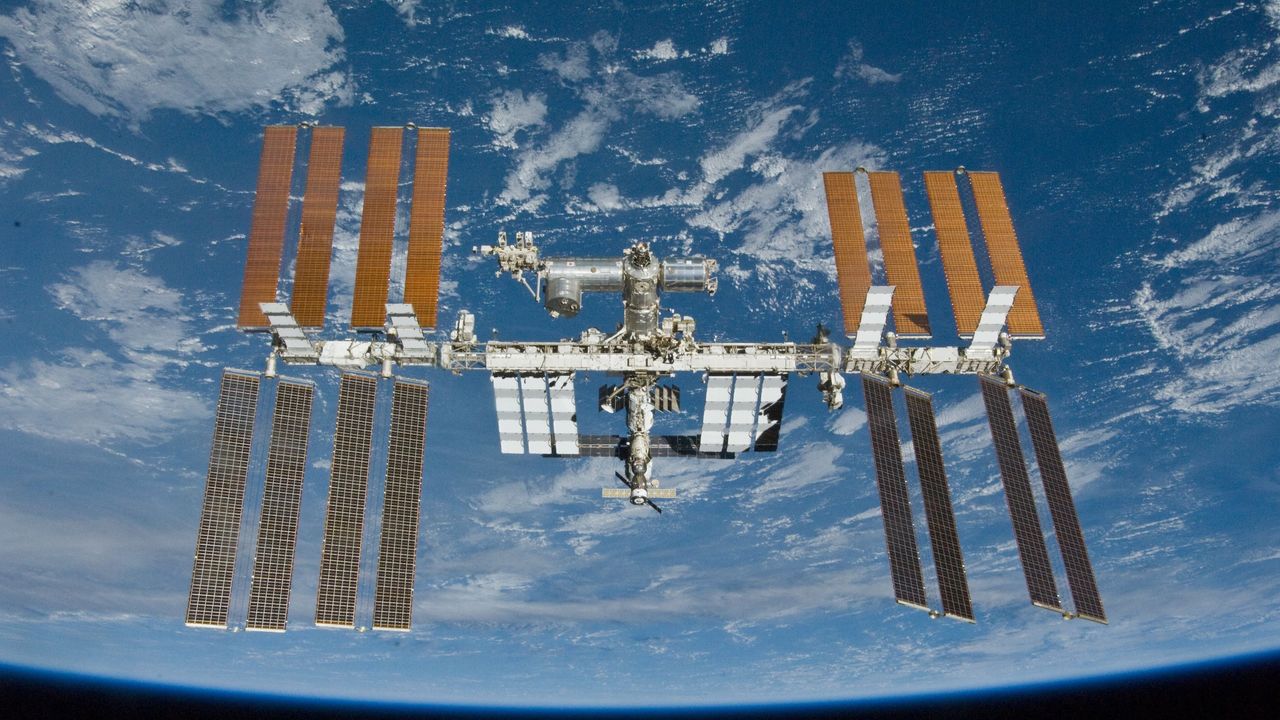
Auxilium Biotechnologies, a company based in California, has achieved a significant milestone by successfully bioprinting kidney and liver tissue in space for the very first time. This groundbreaking achievement marks a new frontier in space medicine and regenerative biology. The company utilized its advanced bioprinting technology to create these complex biological structures beyond Earth's atmosphere. This development holds immense potential for future space exploration and medical research.
Bioprinting involves using "bio-inks" made of living cells and biomaterials to construct three-dimensional tissue structures layer by layer. Performing this process in microgravity presents unique challenges and opportunities. The successful creation of functional tissue in space could pave the way for in-situ medical treatments for astronauts, reducing the need for extensive medical supplies to be transported. Furthermore, it opens doors for studying how human tissues develop and function in conditions different from those on Earth, potentially leading to new insights into disease mechanisms and drug development.
The successful bioprinting of human tissues in space by Auxilium Biotechnologies represents a pivotal advancement in biofabrication and space exploration. This capability could dramatically alter the logistical and medical support required for long-duration space missions, potentially enabling astronauts to receive regenerative treatments or undergo complex biological research directly in orbit. The unique microgravity environment may also offer novel insights into cellular growth and tissue development, which could have significant implications for terrestrial medicine and regenerative therapies. Future developments will likely focus on scaling this technology, ensuring tissue viability and functionality over extended periods, and integrating these capabilities into broader space-based healthcare systems, thereby addressing critical challenges in human spaceflight sustainability.
AI-generated to prompt reflection — not editorial opinion, not advice, not a statement of fact. How this works.