Bipartisan Housing Bill Becomes Law Without Presidential Signature
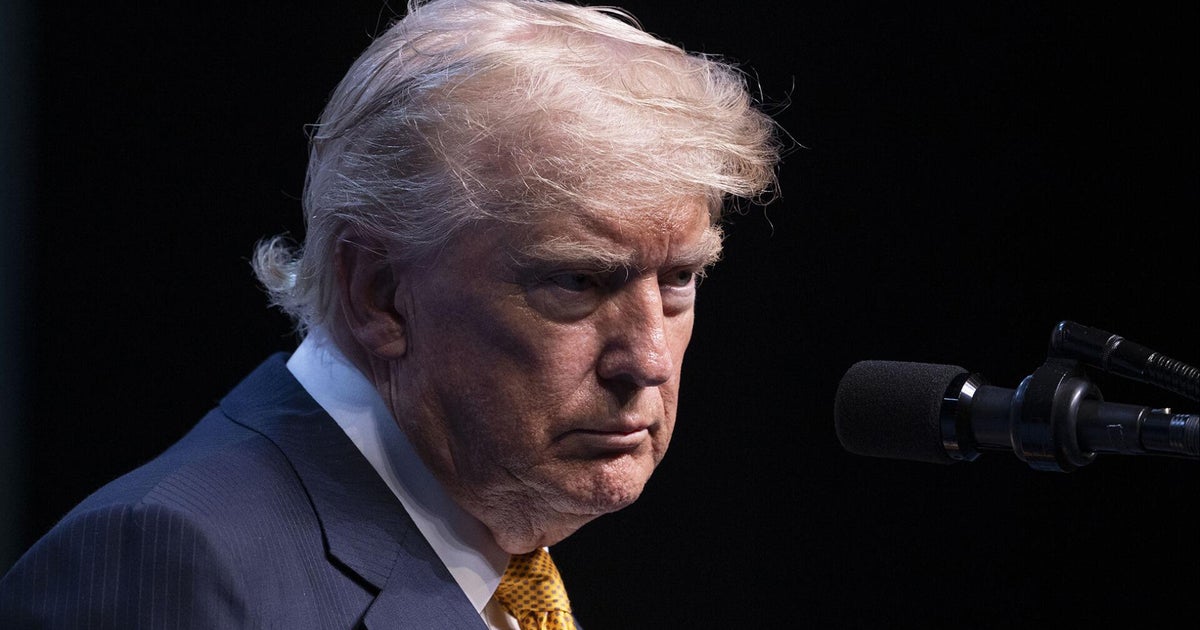
A significant bipartisan housing bill is scheduled to become law on Saturday, even though President Trump has refused to sign it. The legislation, which has garnered support from both major parties, addresses key issues within the housing sector. Its passage marks a notable moment in legislative efforts to tackle housing challenges. The bill's enactment proceeds despite the President's explicit decision not to endorse it. This development underscores the legislative branch's ability to advance significant policy initiatives. Nancy Cordes, CBS News chief White House correspondent, reported on the unfolding situation. The bill's journey to becoming law highlights a complex interplay between the executive and legislative branches of government. Its specific provisions are expected to impact various aspects of the housing market and related policies.
The legislative process enabling the housing bill's enactment without presidential signature illustrates the checks and balances inherent in the U.S. system. While the executive branch typically plays a crucial role in approving legislation, Congress possesses the authority to override vetoes or allow bills to become law without signature under specific constitutional provisions. This scenario highlights potential divergences in policy priorities between the President and Congress, and how bipartisan consensus can still drive legislative outcomes. Looking ahead, the bill's long-term impact will depend on its implementation and how it navigates evolving economic conditions and housing market dynamics over the next decade.
AI-generated to prompt reflection — not editorial opinion, not advice, not a statement of fact. How this works.