Biplav Group Rejects Parliamentary Politics, Vows to Fight for Nation
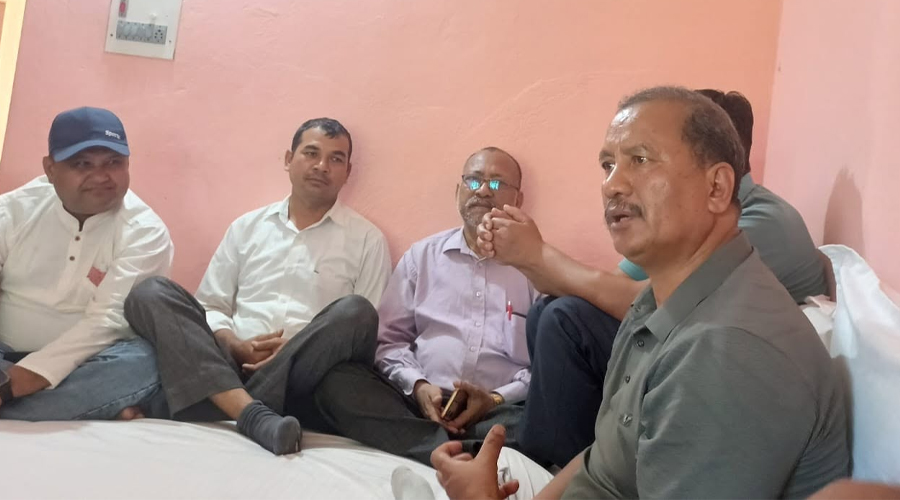
The Biplav-led Communist Party of Nepal has declared that it will not surrender to parliamentary politics, even if it means standing alone. The party stated that it would prefer to fight and sacrifice for the country and its people rather than compromise with parliamentary systems. This stance emphasizes their commitment to their revolutionary ideals over engaging with the established political framework. The group views parliamentary democracy and imperialism as fundamentally opposed to their goals. They believe that true service to the nation and its populace lies in direct struggle rather than through legislative means. This declaration signals a continued ideological opposition to the current political establishment in Nepal. The party leadership has reiterated its dedication to its core principles, framing their path as one of principled resistance. Their rejection of parliamentarianism is presented as a necessary step to uphold their commitment to the people and national sovereignty. The group aims to continue its struggle independently, prioritizing its vision for the country.
The Biplav group's firm rejection of parliamentary politics and embrace of an independent struggle highlights a persistent ideological divide within Nepal's political landscape. This stance positions the group against established governance structures, framing their approach as a principled stand for national sovereignty and popular interests. From a systems perspective, such ideological rigidity can limit avenues for political participation and influence, potentially leading to prolonged periods of extra-parliamentary activity. The group's emphasis on sacrifice and struggle, while resonant with certain revolutionary narratives, also presents trade-offs regarding the practical implementation of policy and achieving tangible improvements for the populace through conventional governance mechanisms. The long-term viability of this approach will likely depend on its ability to mobilize sustained support and adapt to evolving geopolitical and domestic dynamics, particularly in an era increasingly shaped by technological integration and globalized governance trends.
AI-generated to prompt reflection — not editorial opinion, not advice, not a statement of fact. How this works.