Bird flu outbreak confirmed in Australia with mass deaths of wild birds
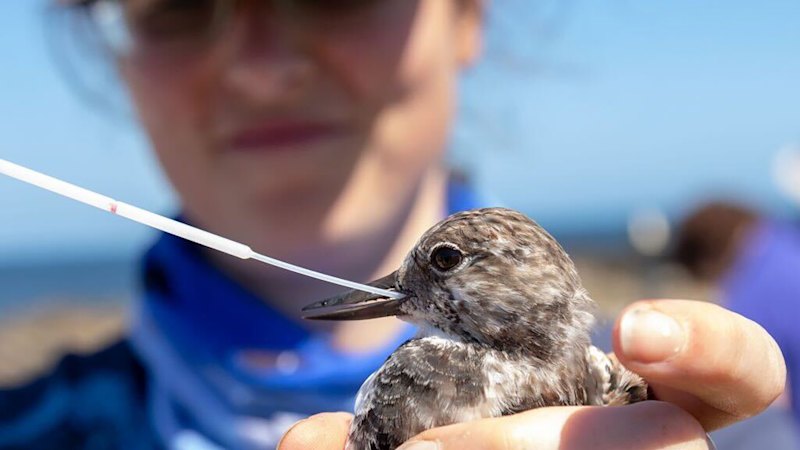
Australian authorities are urging the public to avoid contact with wild birds following the confirmation of mass deaths linked to the H5N1 avian influenza virus. A seagull and numerous terns have tested positive for the highly pathogenic virus. Officials are advising people not to touch, approach, or feed any wild birds they encounter. This marks the first confirmed mass die-off from H5N1 in the country. The situation is considered to be 'just the beginning' by some observers, highlighting ongoing concerns about the spread of the virus. The public health advice aims to prevent further transmission and potential risks to both wildlife and humans. Further monitoring and surveillance efforts are expected to be implemented.
The confirmation of H5N1 in Australian wild birds signifies a critical juncture in monitoring zoonotic disease spread. Public health messaging focused on avoidance and non-contact with affected wildlife is a standard, prudent measure to mitigate immediate transmission risks. The 'just the beginning' sentiment suggests a need for robust, long-term surveillance systems and preparedness strategies, considering the global implications of avian influenza. Future efforts should focus on understanding the ecological factors driving viral amplification in wild populations and assessing the evolving risk landscape for both animal and human health.
AI-generated to prompt reflection — not editorial opinion, not advice, not a statement of fact. How this works.
