Bird Strikes Likely Cause of Deadly Hudson River Helicopter Crash
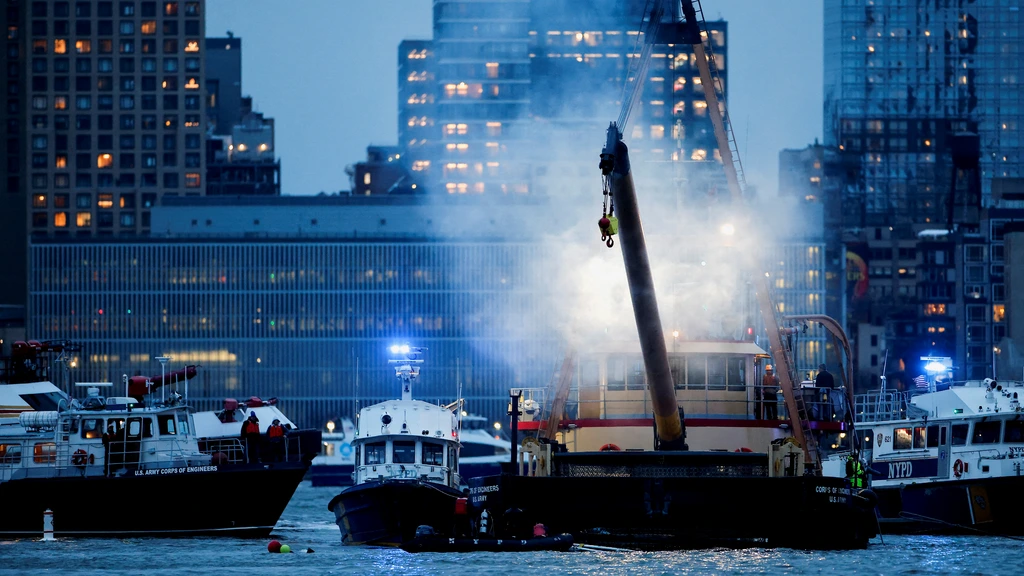
A tourist helicopter that crashed into New York's Hudson River last April likely did so after colliding with multiple birds, according to preliminary findings by the U.S. National Transportation Safety Board (NTSB). Investigators discovered remnants of several geese on the wreckage, suggesting a significant bird strike event. The crash tragically claimed the lives of all six occupants: Spanish Siemens executive Agustin Escobar, his wife, their three children aged 4, 8, and 10, and the pilot. The family, from Barcelona, was on a sightseeing tour to view the New York skyline and the Statue of Liberty, a trip planned just before their middle child's birthday. The helicopter departed from a Manhattan heliport and experienced catastrophic failure less than eighteen minutes later, breaking apart and plunging into the Hudson. A witness reported seeing a large flock of geese take flight shortly before the incident and immediately suspected a bird collision upon hearing a loud impact. Among the bird remains found were those of Canada geese, a species known to weigh up to 9 kilograms. While the NTSB has not issued a final determination, the evidence strongly points to multiple bird impacts preceding the crash. Aviation experts suggest the pilot likely bears no fault, as birds are unpredictable and difficult for pilots to detect. The incident raised renewed concerns about the safety of helicopter tours over New York City, prompting the operating company, New York Helicopter Tours, to cease its operations shortly after the tragedy.
This incident highlights the inherent risks associated with low-altitude aviation operating in environments with wildlife, particularly bird populations. The NTSB's preliminary findings suggest a systemic vulnerability where even routine tourist operations can face catastrophic failure due to unpredictable natural factors. The investigation into bird strike probability and mitigation strategies for pilots operating in such high-traffic urban airspace will be crucial. Future considerations may involve enhanced real-time bird detection systems, revised flight path regulations to avoid known wildlife habitats, or even technological advancements in aircraft resilience against bird impacts. The tragedy underscores the ongoing tension between the economic appeal of aerial tourism and the imperative of ensuring passenger safety in the face of environmental variables.
AI-generated to prompt reflection — not editorial opinion, not advice, not a statement of fact. How this works.