Birds Painted as Parrots to Increase Value in Rio de Janeiro Wildlife Trafficking
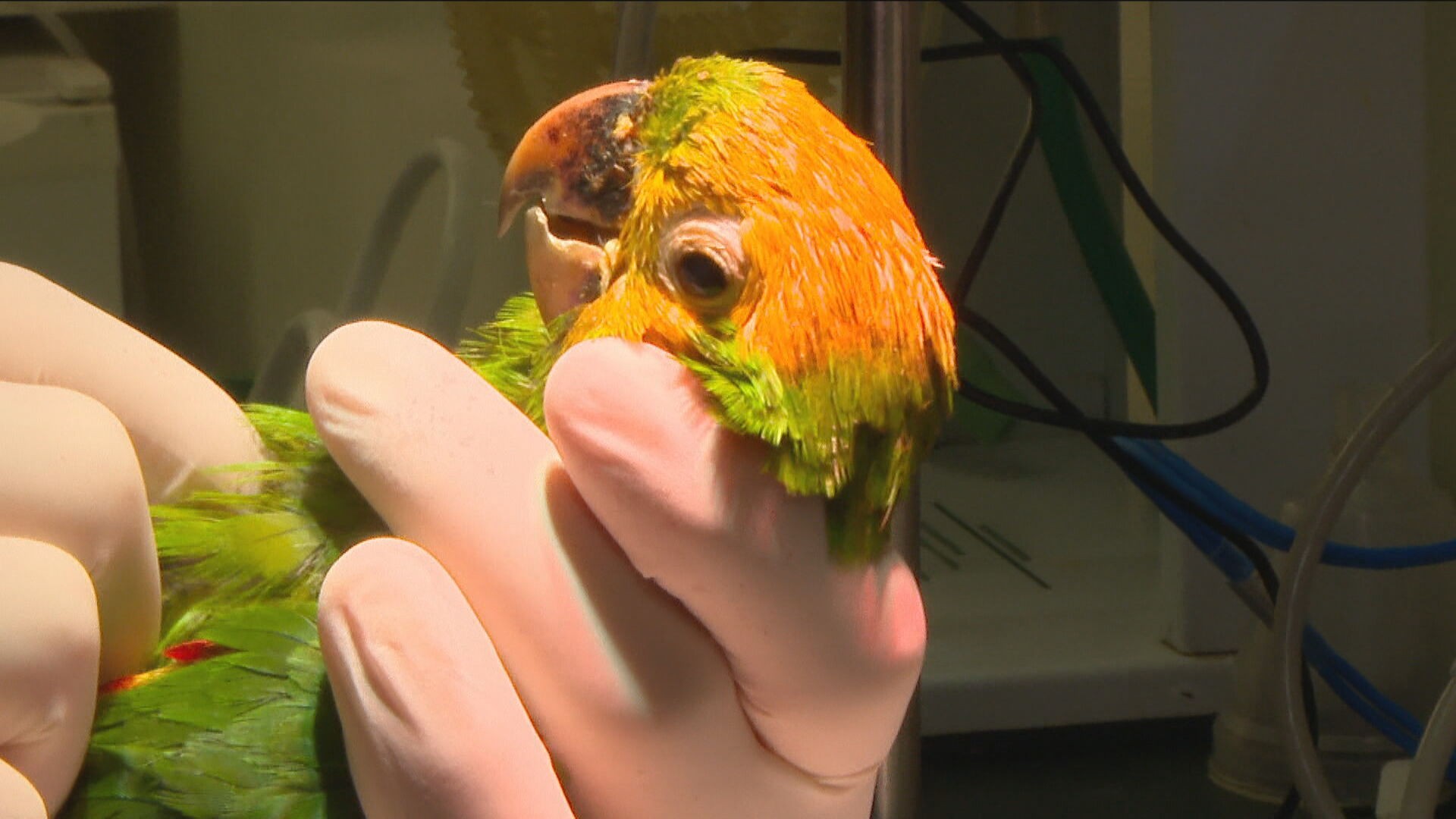
Three monk parakeets (maritacas) rescued by Ibama at the Caxias Fair in Baixada Fluminense, Rio de Janeiro, arrived at a rehabilitation center with their faces painted yellow to resemble parrots, a species that commands higher prices in the illegal wildlife trade. Traffickers also clipped the birds' wing and tail feathers. The animals are currently recovering at the Instituto Vida Livre, receiving veterinary treatment, with no estimated release date. Veterinarian Lucas Rebelo warned that the paint can cause intoxication, liver, and kidney problems, while the feather clipping significantly delays rehabilitation by requiring regrowth before the birds can fly properly. The parakeets exhibited signs of significant distress, both physically and behaviorally, due to mistreatment. One bird was particularly ill, underweight, and kept in a heated, isolated environment. These young, weakened birds likely would not have survived longer with the traffickers. Rebelo noted that such incidents are frequent, with animals being painted to mimic more valuable species. Data from Renctas indicates that out of 38 million wild animals captured annually in Brazil, nine out of ten die before reaching the buyer due to harsh conditions. Ibama's Seropédica unit in Rio de Janeiro seized 7,409 animals in 2025, with over 48,000 rescued in the past decade. Experts emphasize that public awareness and avoiding the illegal wildlife trade are crucial to combating this crime, as many animals die during capture and transport, and survivors endure significant suffering.
The described practice of altering wild animals' appearances to increase their market value highlights a disturbing aspect of the illegal wildlife trade, driven by profit motives that override animal welfare. This manipulation, involving both cosmetic changes like painting and physical mutilation such as feather clipping, inflicts severe stress and health risks on the animals, significantly reducing their chances of survival and successful rehabilitation. The high mortality rate cited, with nine out of ten animals dying before sale, underscores the systemic cruelty inherent in this industry. Addressing this issue requires a multi-pronged approach, focusing on disrupting trafficking networks, increasing enforcement, and crucially, reducing consumer demand through public education and awareness campaigns that emphasize the ethical and conservation implications of purchasing exotic pets from illicit sources. Future efforts may also explore technological solutions for tracking and identification to better combat these organized criminal enterprises.
AI-generated to prompt reflection — not editorial opinion, not advice, not a statement of fact. How this works.