Birgenair Flight 301: Dominican Republic's Deadliest Air Disaster, Insect Suspected
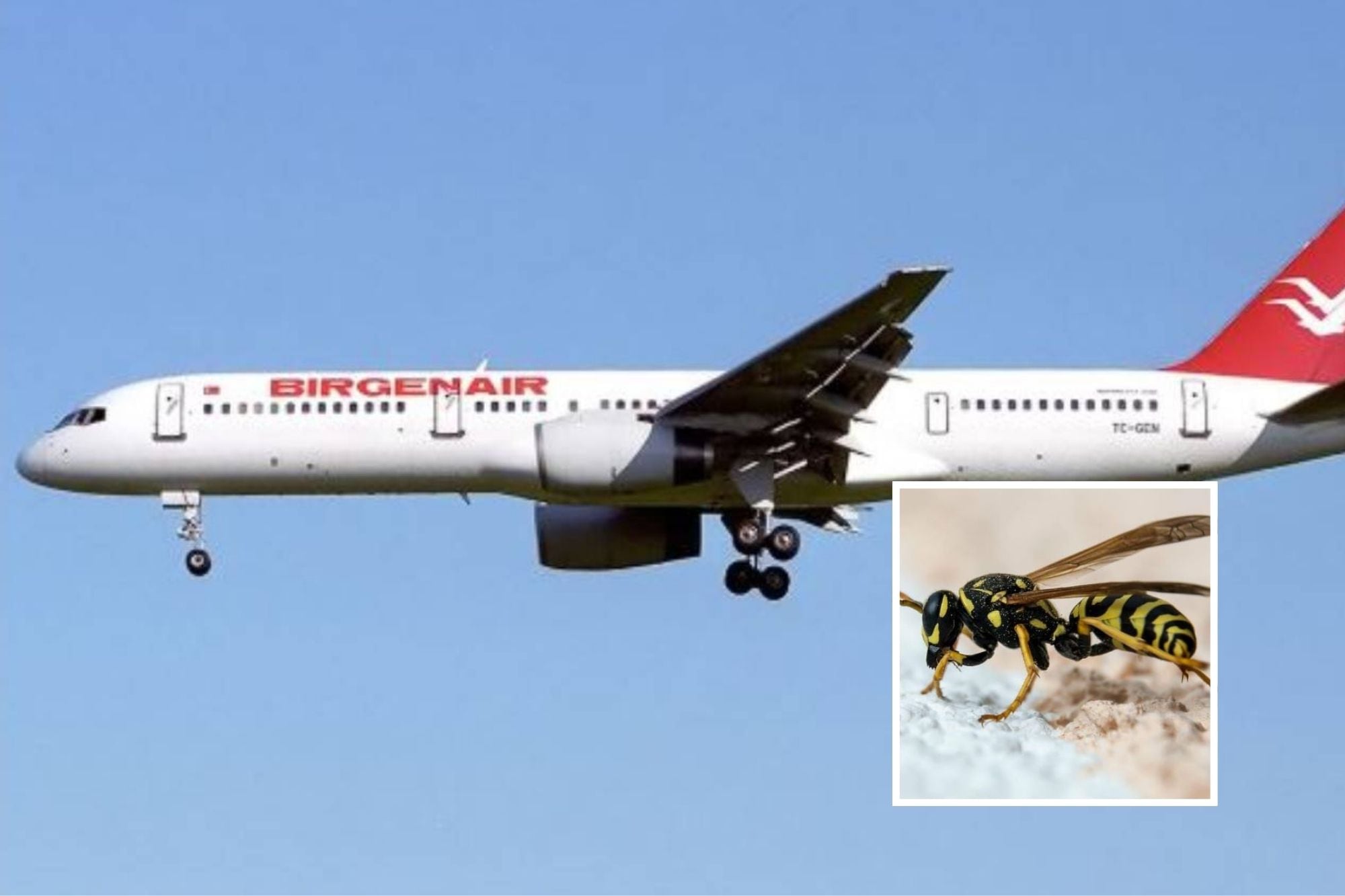
On February 6, 1996, Birgenair Flight 301 crashed into the sea shortly after departing from an airport in the Dominican Republic. The disaster resulted in the deaths of all 189 people on board, making it the deadliest aviation tragedy in the country's history. Investigations into the cause of the crash have focused on a key sensor that may have become obstructed. Preliminary hypotheses suggest that an insect may have blocked this critical piece of equipment. This obstruction could have led to erroneous readings, contributing to the pilots' inability to control the aircraft. The Boeing 757 was en route from Puerto Plata, Dominican Republic, to Frankfurt, Germany, with an intermediate stop in Gander, Newfoundland. The investigation aimed to determine the precise sequence of events that led to the catastrophic loss of control. The findings were crucial for understanding potential vulnerabilities in aircraft sensor systems and informing future safety protocols in aviation.
The investigation into Birgenair Flight 301's catastrophic failure highlights a critical intersection of environmental factors and complex mechanical systems. The potential obstruction of a pitot tube by insect nests, a phenomenon exacerbated by the aircraft's prolonged grounding in a tropical climate, underscores the importance of thorough pre-flight checks and maintenance protocols. This event serves as a stark reminder of how seemingly minor environmental elements can have profound impacts on sophisticated technology. Future aviation safety frameworks may need to incorporate more robust environmental monitoring and adaptive sensor cleaning mechanisms, particularly for aircraft operating in diverse climatic conditions. Understanding the interplay between biological factors and aerospace engineering is crucial for mitigating similar risks in an increasingly interconnected global aviation network.
AI-generated to prompt reflection — not editorial opinion, not advice, not a statement of fact. How this works.