Birthplace in Fernando de Noronha Doesn't Guarantee Housing Rights
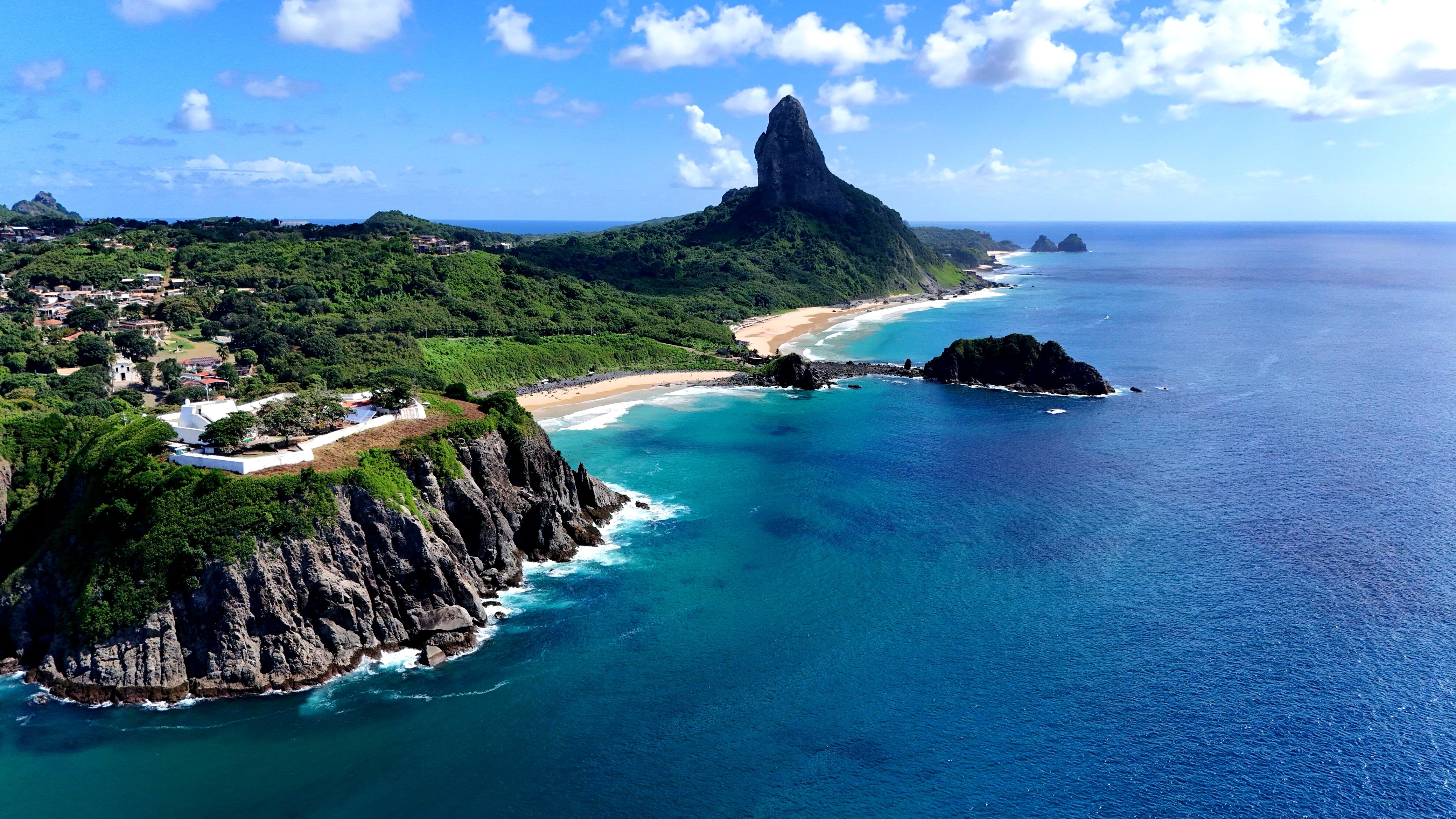
The administration of Fernando de Noronha has clarified that being born on the island does not automatically grant the right to housing or land. This clarification follows the recent birth of a baby on the island, where childbirth is prohibited. The mother, a temporary resident working at a guesthouse, gave birth on Sunday, the 26th. According to government regulations, a child can only obtain permanent residency status if both parents hold this status. Permanent residency requires either being born to permanent residents or living legally on the island for at least ten years. Those meeting these criteria are eligible to apply for the District Housing Policy (PHD), which provides for public housing and land allocation. An attorney, Anderson Flexa, secretary of the OAB committee in Fernando de Noronha, confirmed that current decrees do not grant housing rights solely based on birthplace. He stated that the island's Organic Law empowers the Administration to define residency criteria. The district decree mandates a minimum of ten years of uninterrupted, regular residency, coupled with current or potential occupancy of a residential property, for permanent status. Flexa emphasized that a birth certificate alone is insufficient for administrative processes, and individuals born on the island can lose permanent resident status if they cease to live there. Public Prosecutor Ivo Lima of the Pernambuco Public Prosecutor's Office (MPPE) in Fernando de Noronha also affirmed that birth on the island does not confer land rights, as the island's land is publicly owned and private property is non-existent. He highlighted the island's limited carrying capacity and reiterated that residency duration is a primary criterion, subject to legislative changes reflecting societal shifts. The law allows for the 'naturality' on a birth certificate to reflect the mother's municipality of residence, even if the birth occurs elsewhere. Therefore, children of Noronha residents can be registered as native to the island, even if born on the mainland, provided legal requirements are met. However, the island's administration reiterated that this 'naturality' designation does not, by itself, qualify individuals for the District Housing Policy.
The situation in Fernando de Noronha highlights the tension between birthright and residency requirements in a geographically isolated and ecologically sensitive territory. While the principle of jus soli (right of soil) is common in many nations, its application here is constrained by the island's unique status as public land with limited resources and a need for controlled population growth. The administrative and legal framework prioritizes long-term residency and parental status over simple birthplace, reflecting a governance strategy aimed at managing environmental impact and resource allocation. This approach raises questions about intergenerational equity and the definition of belonging in a place where access to basic necessities like housing is a managed resource. Future policy considerations may need to balance conservation goals with the rights and expectations of individuals born and raised on the island, potentially exploring alternative models for housing access that do not solely rely on prolonged residency or parental status, while still respecting the island's ecological carrying capacity.
AI-generated to prompt reflection — not editorial opinion, not advice, not a statement of fact. How this works.