Bison Attacks Camper in Yellowstone National Park
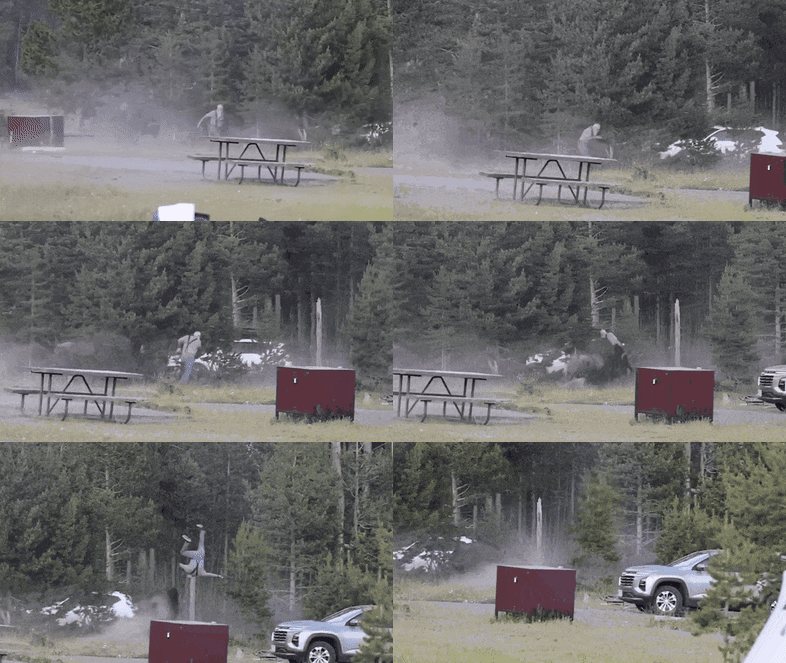
A bull bison, described as visibly agitated, charged at several groups of people at a campground in Yellowstone National Park. During its rampage, the bison flipped a camper more than two meters into the air. The incident occurred within the national park, a popular tourist destination known for its wildlife. Park officials have not yet released details on the condition of the injured camper or any specific actions being taken in response to the bison's aggressive behavior. This event highlights the potential dangers of close encounters with wildlife in natural habitats. Visitors to national parks are often reminded to maintain a safe distance from animals, especially large and potentially unpredictable species like bison. The park's management typically addresses such incidents by monitoring animal behavior and, if necessary, implementing measures to ensure visitor safety and animal welfare. Further information is expected regarding the specific circumstances leading up to the attack and any long-term management strategies for the involved animal.
This incident underscores the inherent risks when human recreational activities intersect with wild animal habitats. While Yellowstone National Park aims to provide immersive natural experiences, the interaction between visitors and large wildlife like bison necessitates strict adherence to safety protocols. The bison's agitated state suggests potential underlying stressors, possibly related to human proximity or environmental factors, which warrant observation by park management. Future strategies may involve enhanced visitor education on wildlife behavior, refined zoning within campgrounds to increase buffer distances, or targeted interventions if specific animals exhibit persistently dangerous patterns. Balancing visitor access with the preservation of natural behaviors and safety remains a critical challenge for park authorities, particularly as visitor numbers continue to grow.
AI-generated to prompt reflection — not editorial opinion, not advice, not a statement of fact. How this works.