BJP Faces Setbacks in Bihar, Madhya Pradesh By-elections; Gujarat Seat Sees Reduced Margin
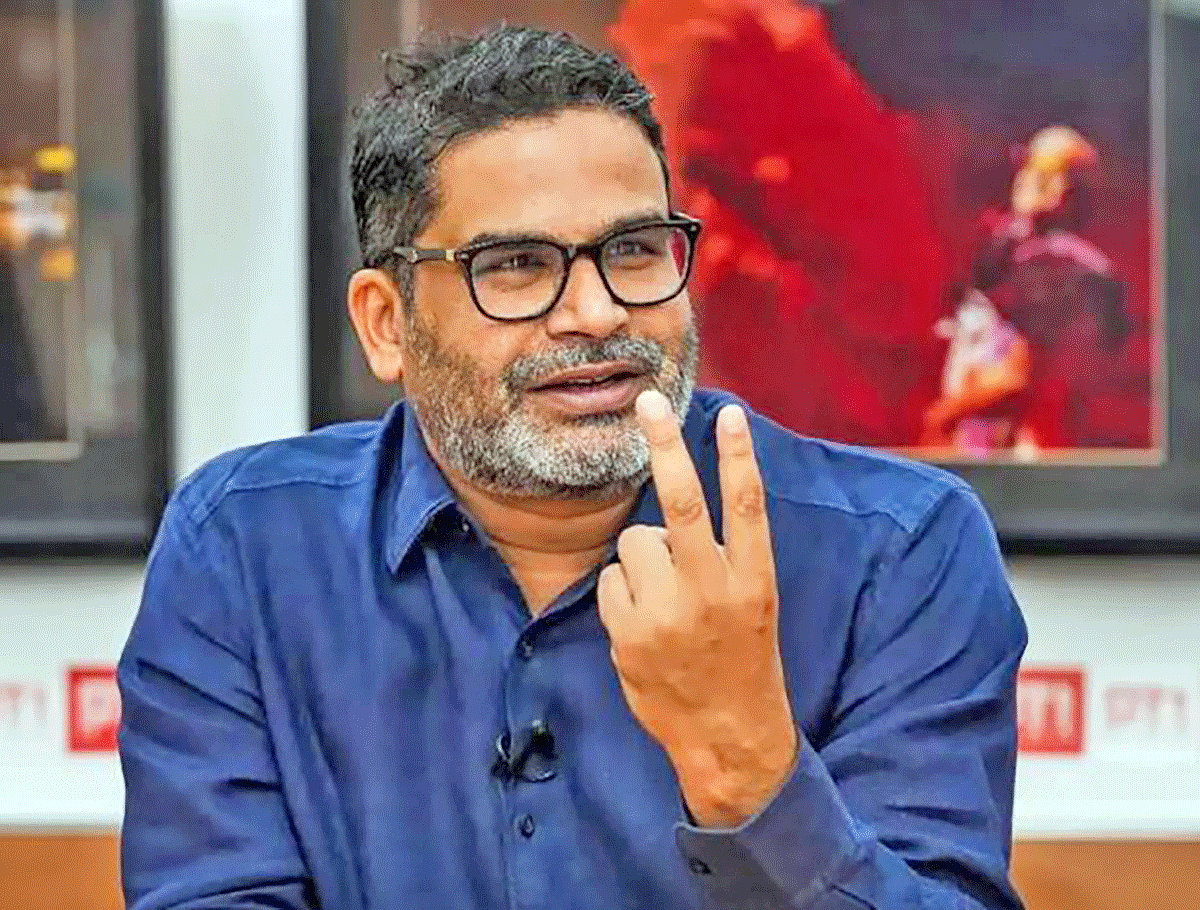
The Bharatiya Janata Party (BJP) has suffered significant losses in recent by-elections for three legislative assembly seats across Bihar and Madhya Pradesh, amplifying existing concerns for the party. In Bihar's Bakipur constituency, a seat the BJP had never lost, their candidate, Niraj Kumar Sinha, is projected to lose to Prashant Kishor, founder of the Jan Suraj Party and a well-known political strategist often referred to as 'PK'. As of Monday afternoon, PK leads by 15,000 votes in his electoral debut, with the BJP candidate trailing significantly. The RJD candidate secured only 11,000 votes, failing to mount a serious challenge.
Similarly, the BJP experienced a setback in Madhya Pradesh's Datia seat, which they had aimed to win from the Congress. The Congress candidate, Ghanshyam Singh, is leading by 9,000 votes. The BJP managed to salvage some pride in Gujarat's Manjalpur seat, though their victory margin was substantially reduced to 27,000 votes compared to over a lakh in the previous election. These results are expected to lead to uncomfortable questions for the BJP's top leadership, Narendra Modi and Amit Shah. The by-elections were closely watched due to the recent rise of the 'Cockroach Janata Party' and its perceived influence on the government, making these results a key indicator of 'Gen-Z' voter sentiment. The outcome suggests a potential erosion of support among the modern generation and the BJP's traditional upper-caste vote bank, particularly evident in the Bakipur loss. The Bihar by-election was particularly notable as it was the first electoral test under the new BJP Chief Minister, Samrat Chaudhary, following Nitish Kumar's move to the center. The performance of Prashant Kishor's Jan Suraj Party, surpassing the RJD in Bakipur, could also impact opposition consolidation, a point of concern for RJD leader Tejashwi Yadav. In Datia, the Congress candidate's victory is expected to be even larger than in the previous assembly elections, despite internal party dynamics affecting the BJP's prospects. The reduced margin in Gujarat, while still a win, signals a broader trend of declining support for the BJP, even as Prime Minister Modi actively engages younger demographics online.
The by-election results indicate a potential shift in voter sentiment, particularly among younger demographics and traditional BJP support bases, suggesting a growing demand for alternative political voices. The reduced margins in traditionally strongholds like Gujarat, coupled with losses in seats like Bakipur, highlight the challenges faced by established parties in adapting to evolving political landscapes and voter expectations. The emergence of figures like Prashant Kishor, who can mobilize new voter segments, points to a potential fragmentation of the political spectrum. Future electoral strategies may need to address concerns regarding economic opportunities, social justice, and responsiveness to emerging social movements to regain broad-based support. The ability of political parties to effectively engage with 'Gen-Z' and address their unique priorities will be a critical determinant of electoral success in the coming decade.
AI-generated to prompt reflection — not editorial opinion, not advice, not a statement of fact. How this works.
