BJP's M-Y Formula in UP: Can Akhilesh Overcome it in 2027?
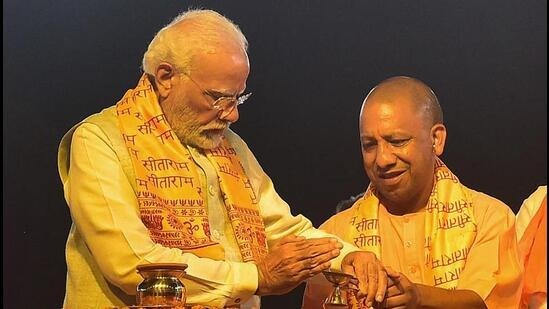
The Samajwadi Party (SP) in Uttar Pradesh has historically relied on the M-Y (Muslim-Yadav) alliance to contest elections. However, the Bharatiya Janata Party (BJP) has now shifted this narrative by forming its own equation in the state, centered around Prime Minister Modi and Chief Minister Yogi Adityanath. This strategic move by the BJP presents a significant challenge for the SP. The question arises as to how the SP, led by Akhilesh Yadav, will be able to counter the BJP's M-Y (Modi-Yogi) formula. The BJP's approach aims to consolidate its support base by leveraging the popularity of its top leaders. This electoral strategy in Uttar Pradesh, a crucial state in Indian politics, will likely shape the political landscape leading up to the 2027 general elections. The SP's ability to adapt and counter this new dynamic will be critical for its electoral prospects.
The BJP's strategic rebranding of the M-Y acronym from a traditional caste-based alliance to a leadership-centric 'Modi-Yogi' formula in Uttar Pradesh signifies a sophisticated evolution in Indian political messaging. This shift aims to transcend traditional vote banks by emphasizing the perceived efficacy and popularity of its top leaders, potentially broadening its appeal beyond core constituencies. The challenge for opposition parties like the SP lies in developing counter-narratives that resonate with a diverse electorate without alienating their established support bases. Future electoral success will likely hinge on parties' abilities to adapt to such dynamic political framing, balancing ideological commitments with pragmatic coalition-building and effective communication strategies in the evolving digital information environment.
AI-generated to prompt reflection — not editorial opinion, not advice, not a statement of fact. How this works.