Blind Law Student Achieves Top Score on Final Thesis in Piauí
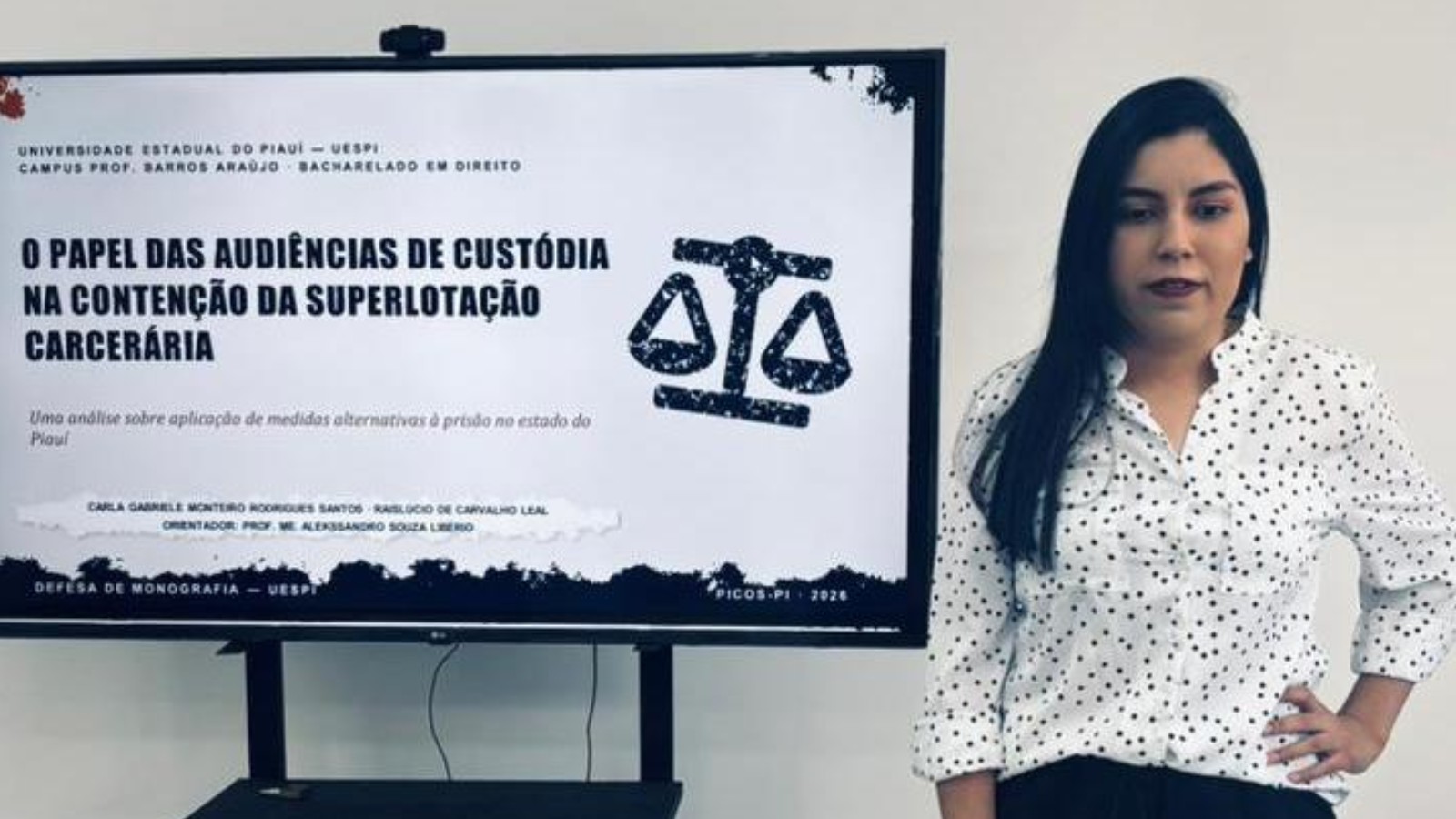
Carla Gabriele Rodrigues, a student with total blindness, has made history by achieving a perfect score on her final thesis for the Law program at the State University of Piauí (Uespi) in Picos. Her thesis, presented on June 16, focused on the overcrowding of the prison system. Although she received the maximum grade, Rodrigues is still progressing through her studies and is currently in her tenth and final semester. Her passion for law was sparked during an administration course at the Federal Institute of Piauí (IFPI). Rodrigues described writing her monograph as one of the most significant challenges of her undergraduate career, highlighting the persistent lack of comprehensive accessibility in educational institutions. Despite these difficulties, she remained determined to achieve her academic goals. The Uespi's Law program requires individual TCC projects, but Carla Gabriele received crucial support from Raislúcio Leal, a scholarship student and creator of the "Voz Ativa" project, which converts scientific texts into audiobooks. This support was approved by the course coordinator, Alekssandro Souza Libério, and the academic council. Rodrigues expressed profound gratitude for the welcoming environment provided by her peers and professors, which significantly eased her higher education journey. She hopes her achievement will inspire other individuals with disabilities to pursue university education, emphasizing that with determination, support, and helpful individuals, any barrier can be overcome.
This achievement underscores the critical need for robust accessibility frameworks within higher education institutions. While individual determination and supportive projects like "Voz Ativa" can mitigate some barriers, systemic implementation of universal design principles is essential to ensure equitable opportunities for students with disabilities. The narrative highlights a tension between individual perseverance and institutional responsibility in fostering inclusive learning environments. Looking ahead, the integration of AI-powered assistive technologies, alongside pedagogical adaptations, will be crucial in dismantling remaining obstacles and realizing the full potential of diverse student populations in the coming decade.
AI-generated to prompt reflection — not editorial opinion, not advice, not a statement of fact. How this works.