Blind students in Nepal face distance, poverty, and learning barriers
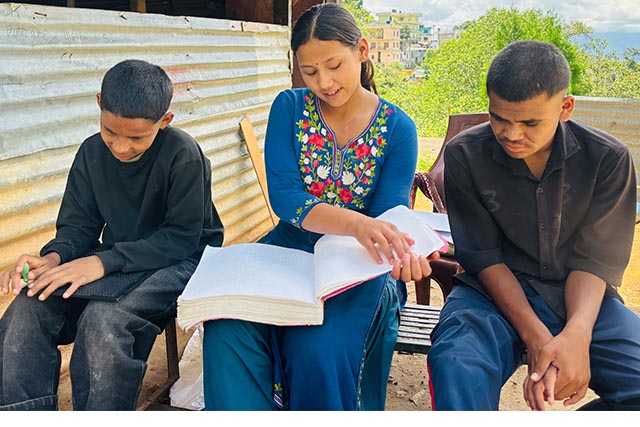
Many visually impaired children in Nepal are losing crucial years of education due to significant obstacles, despite the country's inclusive education policy. These challenges include the sheer distance to schools, pervasive poverty, and a severe lack of accessible learning facilities. The remoteness of their communities further exacerbates the difficulty in reaching educational institutions. Consequently, these students often face prolonged interruptions or complete cessation of their schooling. The situation highlights a critical gap between national policy and the practical realities faced by vulnerable students. Addressing these multifaceted barriers is essential to ensure that children with visual impairments can access and benefit from education.
The stated inclusive education policy in Nepal appears to be undermined by systemic challenges related to infrastructure and socioeconomic factors. The significant distances and poverty act as formidable barriers that disproportionately affect students with disabilities, particularly those in remote areas. This situation suggests a need for more targeted resource allocation and community-based support systems to bridge the gap between policy intent and on-the-ground implementation. Future educational strategies must proactively integrate accessibility and poverty alleviation measures to ensure equitable access to learning opportunities for all students, especially in the context of evolving technological and societal landscapes.
AI-generated to prompt reflection — not editorial opinion, not advice, not a statement of fact. How this works.