Blocking Protein in Mice May Extend Ovarian Fertility
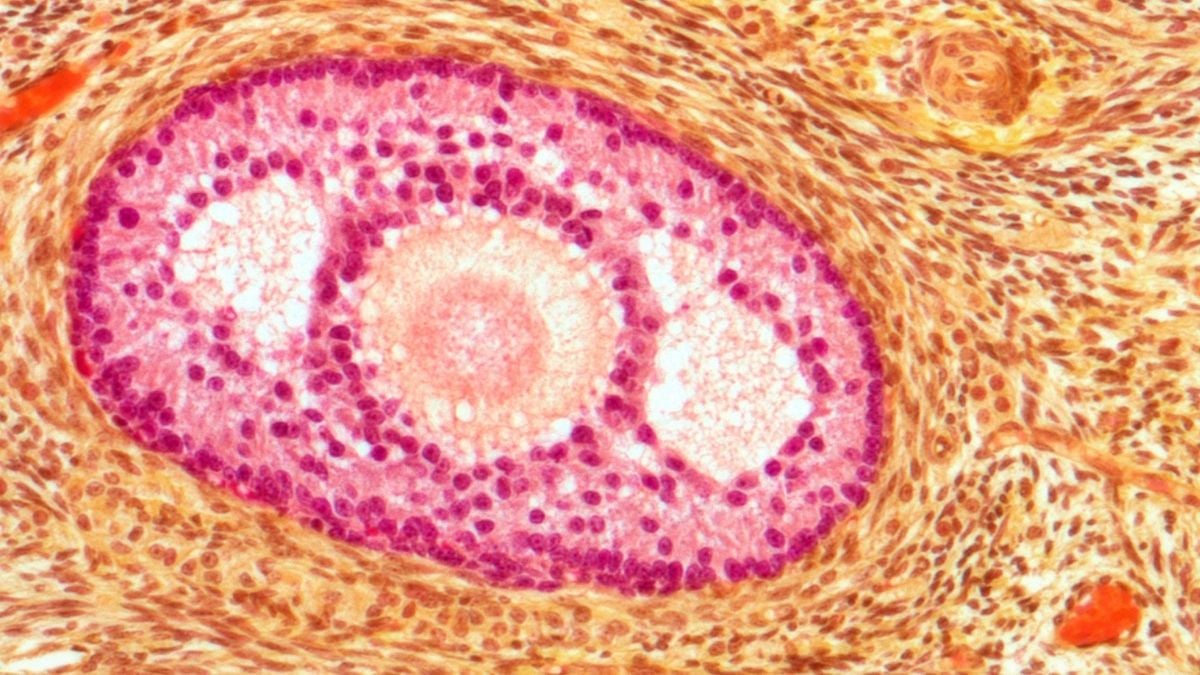
Researchers have identified a protein that, when blocked, appears to keep aging mouse ovaries 'soft' and potentially extend fertility. This discovery offers a tentative glimmer of hope in understanding and potentially influencing the aging process in reproductive organs. While the research is still in its early stages and conducted solely on mice, it suggests a novel pathway for future investigations into age-related fertility decline. The specific protein targeted and the mechanism by which blocking it affects ovarian tissue are key areas of ongoing study. Further research will be crucial to determine if these findings can be translated to other species, including humans. The implications of extending fertility, even in animal models, could be significant for reproductive biology and medicine. This work highlights the complex molecular processes underlying aging and its impact on reproductive capacity. The team behind the research is cautiously optimistic about the potential applications, emphasizing the need for more extensive studies.
This research into protein inhibition and its effect on ovarian aging in mice presents a potential avenue for exploring interventions in reproductive longevity. The study's focus on a specific molecular target, rather than broad hormonal interventions, aligns with a precision medicine approach. Future investigations will need to rigorously assess the long-term safety and efficacy of such targeted approaches, particularly concerning potential off-target effects and the complex interplay of factors influencing fertility. Understanding the systemic implications of altering ovarian tissue properties within the broader context of aging physiology will be critical for evaluating its translational potential. The ethical considerations surrounding interventions aimed at extending reproductive lifespans, especially if they were ever to be considered for human application, will also warrant careful and ongoing societal discussion.
AI-generated to prompt reflection — not editorial opinion, not advice, not a statement of fact. How this works.