Blood Biomarkers Detect Adaptive Response to Low-Dose Radiation
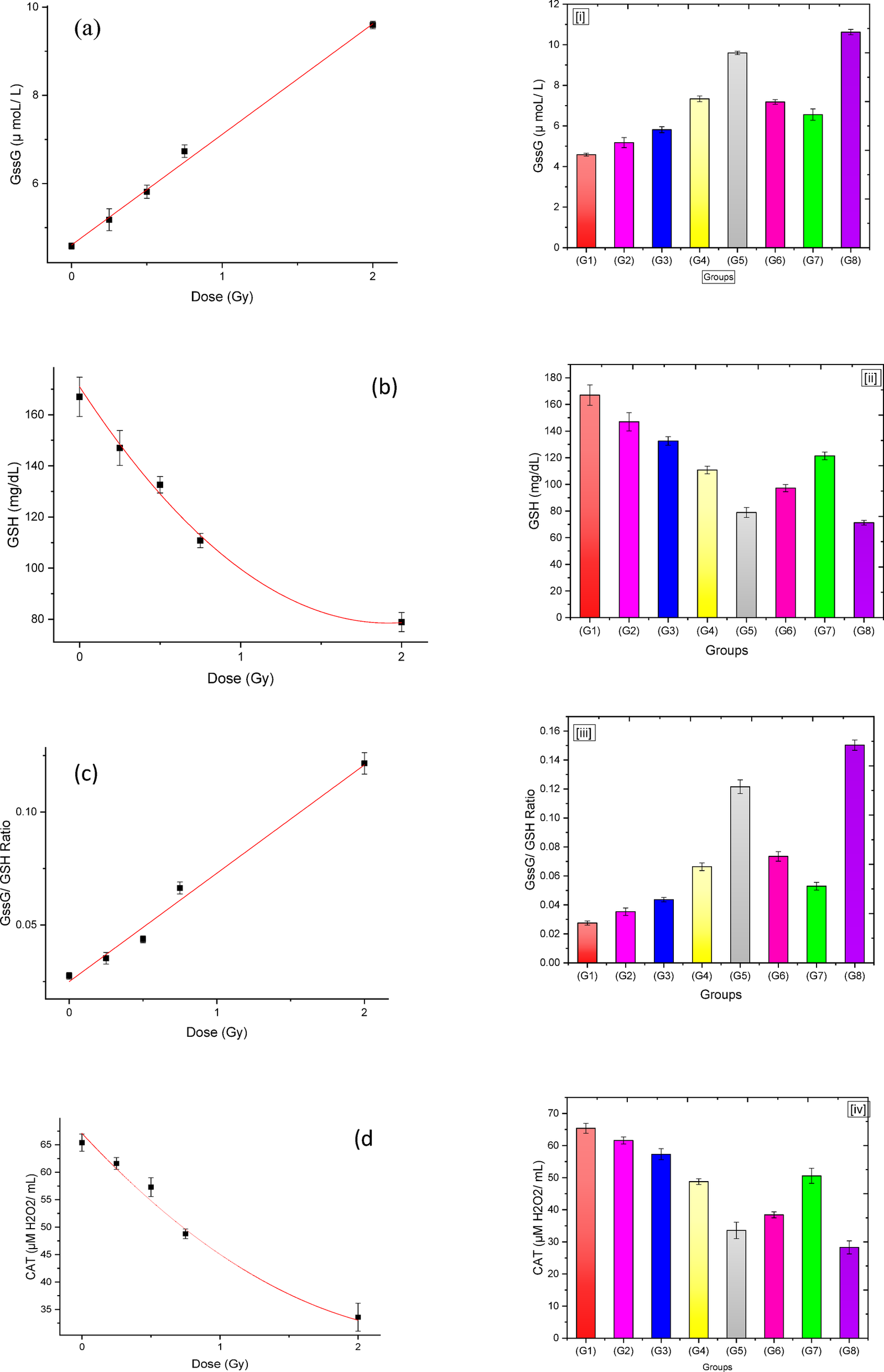
Researchers have identified the comet assay and antioxidant enzymes in blood as potential biomarkers for detecting the adaptive response of the human body to low-dose radiation exposure. This adaptive response is a protective mechanism where cells become more resistant to damage after an initial exposure to a low level of radiation. The study focused on evaluating these biomarkers to understand how the body reacts to such exposures. The comet assay, a technique that measures DNA damage in individual cells, and the activity levels of specific antioxidant enzymes were analyzed in blood samples. These biomarkers could offer a way to assess an individual's biological response to radiation, which is crucial for understanding radiation health effects and developing protective strategies. Further research is needed to validate these findings and establish their clinical applicability.
The identification of comet assay and antioxidant enzymes as blood biomarkers for low-dose radiation-induced adaptive response presents a potential advancement in biological dosimetry. This research could shift the paradigm from solely measuring direct radiation damage to assessing the body's sophisticated protective mechanisms. Understanding these adaptive responses is critical for refining radiation protection protocols, particularly in occupational settings and for populations undergoing medical radiation procedures. The development of reliable biomarkers could enable more personalized risk assessments and interventions, fostering a more nuanced approach to radiation safety in the coming decade as technological applications of radiation expand.
AI-generated to prompt reflection — not editorial opinion, not advice, not a statement of fact. How this works.