Blood Donation Drive in Nova Brasilândia D'Oeste Strengthens Community Ties
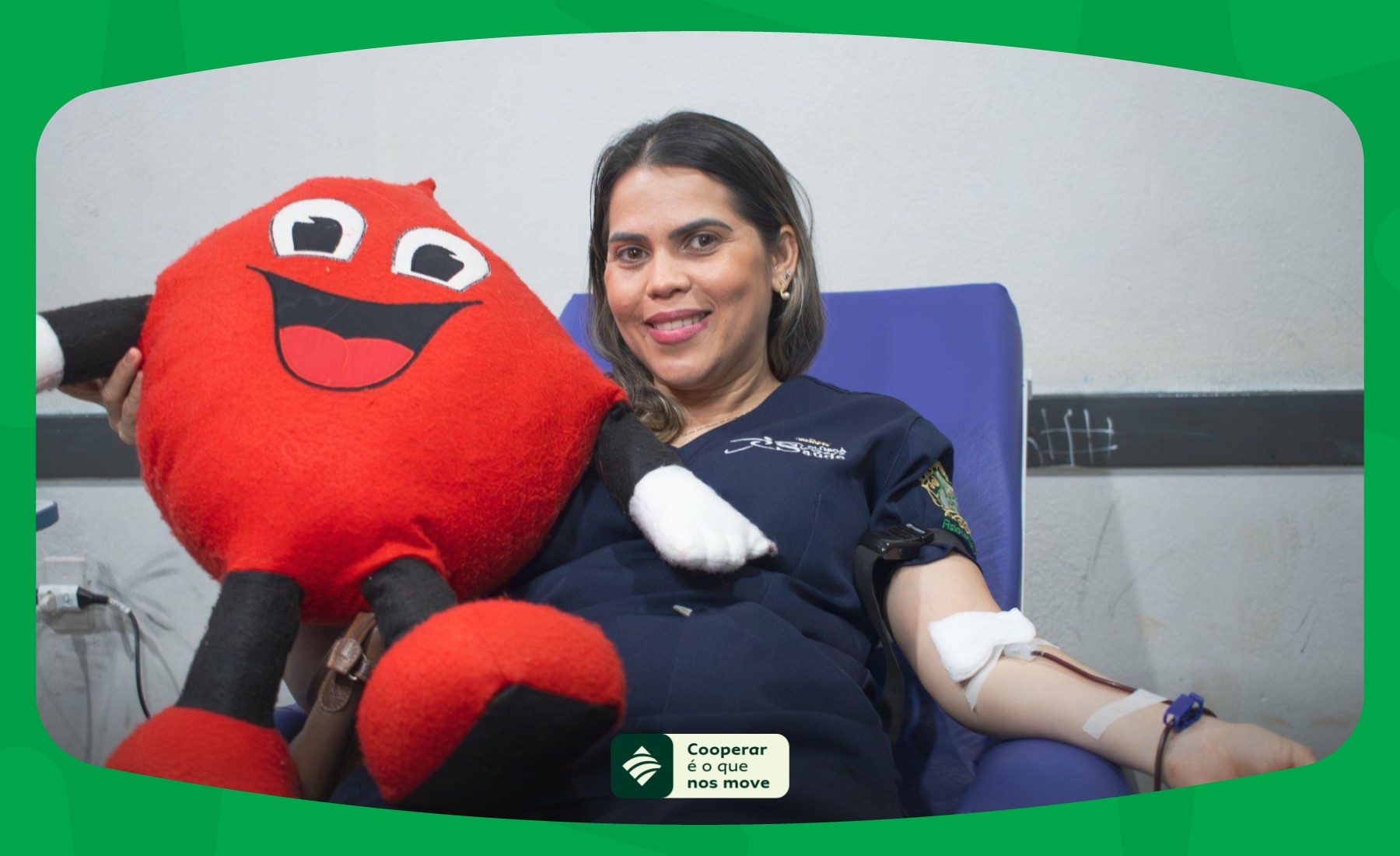
A recurring blood and bone marrow donation campaign organized by CrediSIS CrediBrás in Nova Brasilândia D'Oeste, Rondônia, has successfully made this life-saving gesture more accessible to residents since its inception in 2022. The municipality previously lacked a permanent collection unit, requiring individuals to travel over 60 kilometers to Rolim de Moura. This initiative, now in its fifth edition, has collected 117 units of blood and registered new potential bone marrow donors on July 10-11. The campaign has evolved from a one-time event into a regular fixture in the cooperative's and community's calendars, fostering a growing network of solidarity. By bringing the collection services directly to Nova Brasilândia through collaboration with the Rondônia Hematology and Hemotherapy Foundation (Fhemeron), the campaign significantly reduces barriers to donation. Otelo Castellani Filho, president of the CrediSIS System, highlighted how such initiatives demonstrate the lasting impact of cooperativism, building a culture of continuous solidarity. Mayra Queiroz Gorza, a donor since 2002, emphasized the simple yet profound impact of donating, noting that a single blood unit can save up to four lives. The success of the campaign relies on the cooperation between CrediSIS CrediBrás, the Nova Brasilândia D'Oeste City Hall, the Municipal Health Secretariat, Fhemeron, employees, and community volunteers, as underscored by Mirian Silva, Administrative and Risk Director of CrediSIS CrediBrás.
This blood donation campaign exemplifies how sustained community engagement, facilitated by cooperative organizations and public-private partnerships, can overcome logistical challenges to provide essential health services. The initiative's success hinges on its transformation from a sporadic event into a regular, anticipated community activity, fostering a culture of altruism and collective responsibility. By reducing the geographical barrier to donation, the campaign not only increases blood supply but also strengthens social cohesion and civic participation. Looking forward, such models could be scaled to address other public health needs in underserved regions, demonstrating the power of persistent, localized efforts in building resilient communities and promoting proactive health behaviors.
AI-generated to prompt reflection — not editorial opinion, not advice, not a statement of fact. How this works.