Blood protein panel predicts ALS onset years in advance with 1.6-year average error
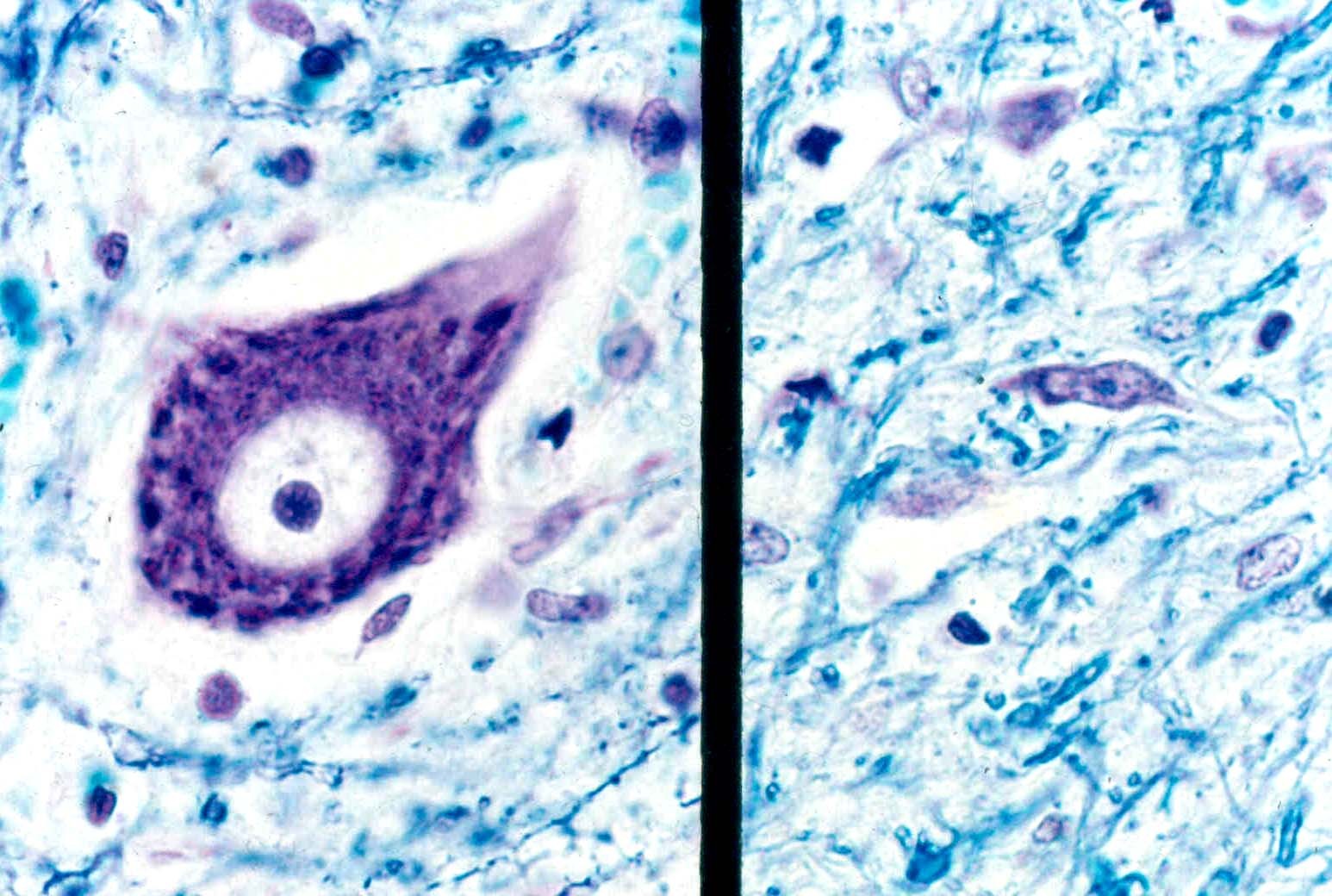
A panel of 19 blood proteins has demonstrated the ability to predict the onset of Amyotrophic Lateral Sclerosis (ALS) in individuals at high genetic risk, with an average error of just 1.6 years. This significant finding, published in Nature Medicine, addresses a major challenge in ALS research: the inability to predict who will develop the disease or when symptoms will appear, even among those with known ALS-associated mutations. While not a population-wide screening or diagnostic test, the 19 markers were primarily evaluated in asymptomatic individuals carrying gene variants that substantially increase their risk for ALS or frontotemporal dementia. Further validation in larger groups and adaptation to standardized laboratory tests are necessary before clinical application.
The immediate benefit of this discovery lies in designing more effective prevention studies. These studies aim to intervene before neuronal destruction leads to debilitating symptoms like weakness, speech, swallowing, or breathing difficulties. By identifying individuals with mutations who are nearing disease manifestation, scientists can recruit them for trials testing therapies designed to delay or prevent symptom onset. Without such precise screening, clinical trials might follow volunteers for years without accumulating enough cases to determine treatment efficacy.
The research analyzed 516 plasma samples from 137 participants, including 33 who developed ALS or frontotemporal dementia after being asymptomatic. By measuring over 5,000 proteins, researchers identified 92 whose concentrations changed before clinical symptoms appeared, with some alterations occurring years in advance. These proteins act as biological markers, signaling internal bodily processes. One such marker is light-chain neurofilament (NfL), which increases in the blood when nerve cell axons are damaged. While NfL alone is informative, the combined analysis of the 19 proteins provided a more comprehensive prediction, especially for longer timeframes. The identified proteins are linked to various functions including muscle activity, inflammation, tissue support, and neuronal regeneration, suggesting ALS arises from a complex interplay of accumulating alterations rather than a single failure.
This research offers a promising advancement in understanding and potentially intervening in neurodegenerative diseases like ALS. By identifying a panel of blood proteins that change years before clinical symptoms manifest, scientists gain a critical tool for predicting disease progression and, crucially, for designing more effective clinical trials. The ability to accurately identify individuals at high risk who are nearing symptom onset could revolutionize the testing of preventative therapies, moving beyond reactive treatment to proactive intervention. This shift is vital for diseases where significant neuronal damage occurs before diagnosis. The system's predictive power, especially over longer time horizons, highlights the complex, multi-faceted biological processes that precede overt disease. Future research will focus on translating these complex proteomic analyses into accessible diagnostic tools, enabling earlier interventions and potentially altering the trajectory of neurodegenerative conditions by preserving neuronal function before irreversible damage occurs.
AI-generated to prompt reflection — not editorial opinion, not advice, not a statement of fact. How this works.