Blood Supply Shortage: German Red Cross Reports Consistently Low Donation Levels
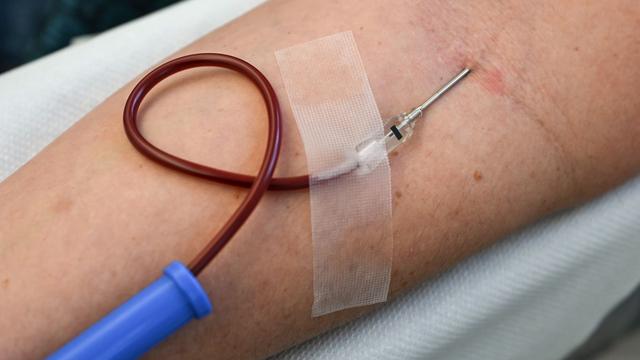
The German Red Cross (DRK) has announced that blood donation levels remain critically low. This ongoing shortage poses a significant challenge to healthcare services across Germany, as sufficient blood supplies are essential for numerous medical procedures, including surgeries, cancer treatments, and emergency care.
The DRK is urging the public to donate blood more frequently to alleviate the strain on existing reserves. The organization emphasizes that even a single donation can make a life-saving difference for patients in need. The low donation rates are a cause for concern, potentially impacting the ability of hospitals to provide timely and effective medical interventions. The DRK continues to work on strategies to encourage more people to become regular blood donors.
The persistent low blood donation rates in Germany, as reported by the DRK, highlight a potential systemic issue in public engagement with essential health services. This situation may reflect broader societal trends, such as changing demographics, increased mobility, or a decline in civic participation, all of which can impact volunteer-based initiatives. From a public health perspective, ensuring a stable and adequate blood supply requires a multi-faceted approach that goes beyond simple appeals. Future strategies could involve exploring technological solutions for donor management, incentivizing donations through partnerships, or integrating donation drives more seamlessly into community and workplace routines. Understanding the root causes of donor apathy or decreased frequency is crucial for developing sustainable, long-term solutions that safeguard the healthcare system's capacity to respond to critical needs.
AI-generated to prompt reflection — not editorial opinion, not advice, not a statement of fact. How this works.