Blue Algae Detected at Two Berlin Swimming Spots
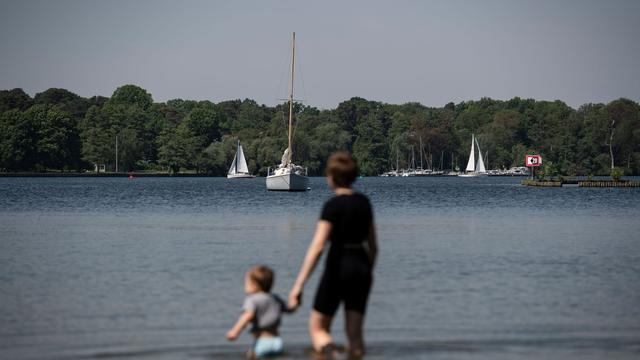
Water quality tests have revealed the presence of blue-green algae (cyanobacteria) at two popular swimming locations in Berlin. The affected areas are the Wannsee beach in the Steglitz-Zehlendorf district and the Liepnitzsee in Brandenburg, which is frequently visited by Berliners. Authorities have issued warnings and advised against swimming in these areas to prevent potential health risks. Blue-green algae blooms can occur when water temperatures are high and nutrient levels are elevated. Exposure to these algae can cause skin irritation, respiratory problems, and gastrointestinal issues in humans and can be harmful to pets. Visitors are urged to heed the posted signs and avoid contact with the water until further notice. Regular monitoring of the water quality will continue, and updates will be provided as necessary.
The detection of blue-green algae at public swimming areas highlights the recurring challenge of managing water quality in urban environments, particularly during warmer months. This situation underscores the interplay between environmental factors like temperature and nutrient runoff, and public health advisories. The need for robust monitoring systems and clear communication protocols is paramount to ensure public safety and mitigate potential health risks associated with cyanobacteria blooms. Future strategies may involve exploring advanced water treatment technologies or implementing stricter regulations on nutrient discharge to prevent such occurrences and maintain recreational water accessibility.
AI-generated to prompt reflection — not editorial opinion, not advice, not a statement of fact. How this works.