Blue-and-yellow Macaw Photographed Chasing Drone at Beach in Palmas, Tocantins
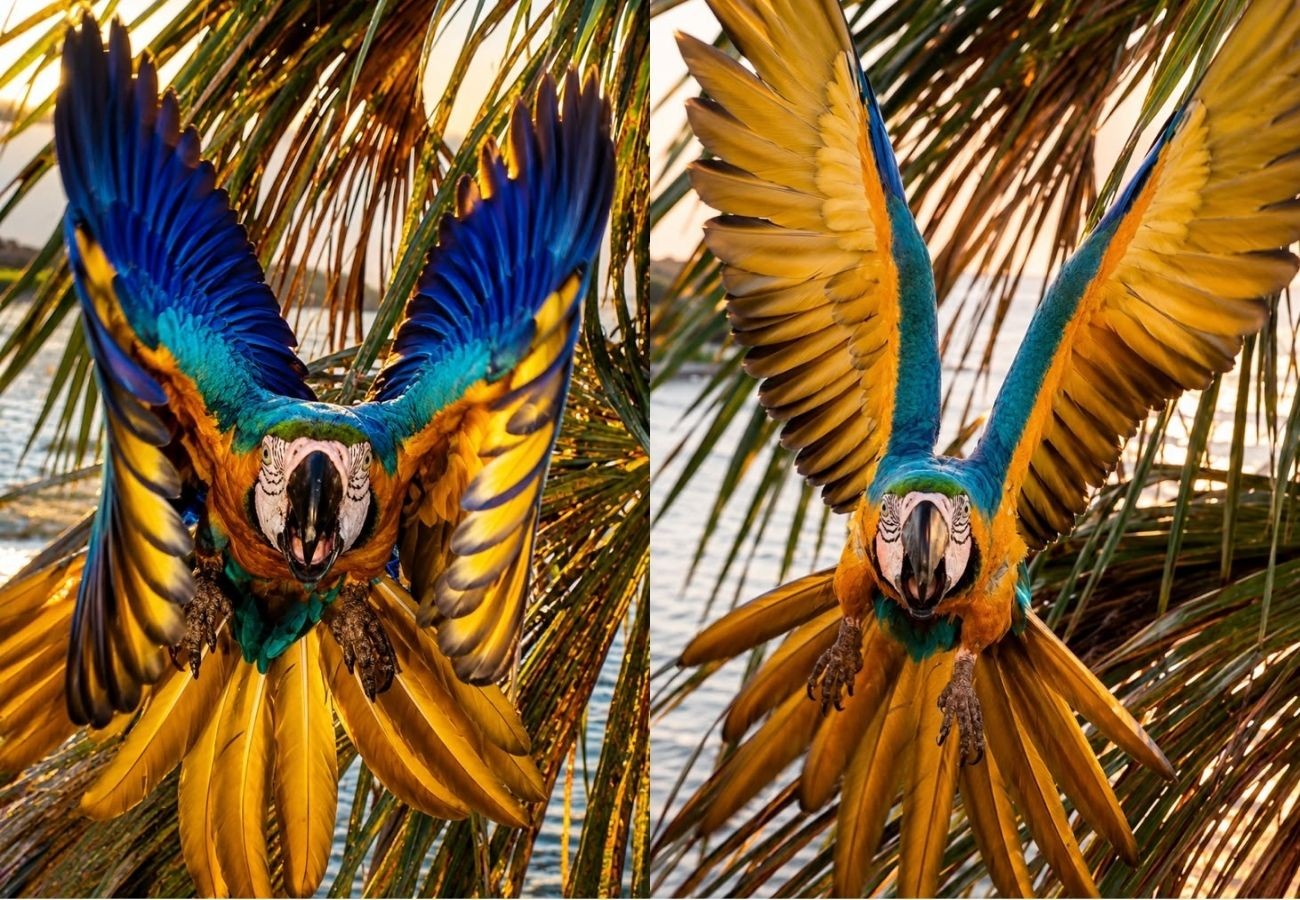
A striking image captured the attention of internet users, showing a blue-and-yellow macaw in flight, seemingly attempting to ward off a drone that was filming it. The incident occurred near a palm tree on the shore of Graciosa beach in Palmas, the central region of Tocantins state. The macaw was accompanied by another bird. This species, a prominent symbol of the Cerrado biome, is recognized for its vibrant plumage, lifelong pair bonding, and notable presence in urban areas. The video footage was shared on social media by influencer and businessman Francisco Garcia on Saturday, February 25th. Garcia, who has lived in Tocantins for less than a year, expressed his awe at the natural beauty, noting the frequent sightings of these macaws even in city roundabouts. He ensured the drone maintained a distance of two meters and used zoom for filming, yet the bird still reacted. Biologist Wanieulli Pascoal confirmed that psittacines, including macaws and parrots, commonly exhibit such responses to drones, perceiving them as potential threats. While direct attacks are rare, birds may circle or dive-bomb drones to drive them away. Pascoal suggested the macaw's behavior might also have been influenced by a nearby palm trunk serving as a roosting site. Although this species can be accustomed to human presence, the biologist emphasized the importance of maintaining a respectful distance.
The interaction between the blue-and-yellow macaw and the drone highlights the increasing overlap between wildlife and human technology in natural and urbanized environments. While the macaw's defensive behavior is a natural response to a perceived aerial intrusion, it underscores the need for responsible drone operation around wildlife. The event serves as a reminder that even seemingly docile species can exhibit protective instincts when their space or perceived safety is threatened. As drone technology becomes more accessible, understanding and respecting animal behavior, particularly in sensitive habitats, is crucial for minimizing disturbance and ensuring the well-being of wildlife populations. Future coexistence will likely require clearer guidelines and public awareness campaigns on navigating shared spaces.
AI-generated to prompt reflection — not editorial opinion, not advice, not a statement of fact. How this works.