Blue-green Algae and Cercariae Disrupt Swimming Enjoyment at German Water Bodies
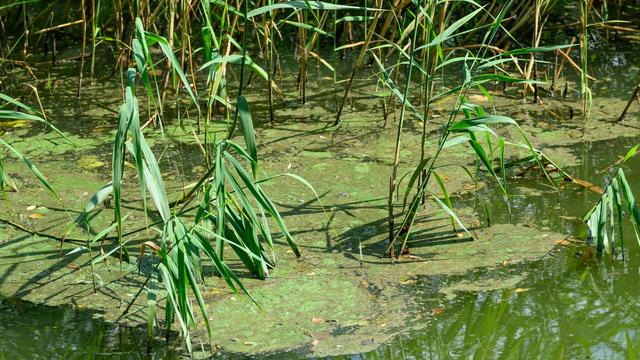
Swimming in several German lakes and rivers is currently being hampered by the presence of blue-green algae and cercariae, commonly known as duck lice. These microorganisms can affect water quality and pose potential health risks to swimmers. Blue-green algae blooms, often exacerbated by warm temperatures and nutrient-rich water, can produce toxins harmful to humans and animals. Cercariae, the larval form of certain parasitic flatworms, can cause an itchy rash known as swimmer's itch when they penetrate the skin. Health authorities are monitoring the situation and advising the public to be aware of potential risks. Swimmers are encouraged to avoid areas with visible algal blooms or signs of cercariae infestation. Information on specific affected water bodies is being updated regularly by local environmental agencies to help the public make informed decisions about where to swim safely. The presence of these organisms highlights ongoing challenges in maintaining optimal water quality for recreational purposes across Germany, particularly during peak summer months.
The recurring issue of blue-green algae and cercariae in German recreational waters points to persistent challenges in balancing ecological health with public use. Warmer temperatures, driven by climate change, likely contribute to more frequent and intense algal blooms. Nutrient runoff from agriculture and wastewater management systems also plays a significant role in fostering these conditions. Addressing these issues requires a multi-faceted approach, including improved water management strategies, stricter controls on nutrient pollution, and public awareness campaigns. The long-term sustainability of these water bodies for recreation will depend on proactive environmental stewardship and investment in infrastructure that mitigates pollution and supports ecosystem resilience in the face of evolving environmental pressures.
AI-generated to prompt reflection — not editorial opinion, not advice, not a statement of fact. How this works.
