Bluetongue Virus Outbreak Leads to Expanded Containment Zone in Germany
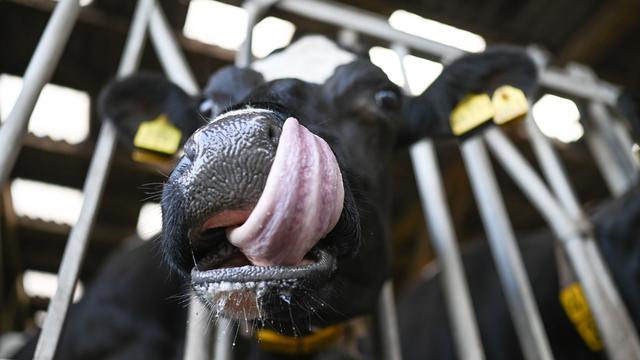
Authorities in Germany have expanded a containment zone due to an outbreak of the bluetongue virus. The virus, which affects livestock, has prompted increased surveillance and control measures. The bluetongue virus is transmitted by biting midges and can cause significant illness in ruminant animals such as cattle, sheep, goats, and deer. While the virus does not pose a direct threat to humans, it can lead to substantial economic losses for farmers due to reduced productivity and animal deaths. The expansion of the restricted area aims to prevent further spread of the disease within the country and to neighboring regions. Veterinary services are working to monitor the situation closely and implement necessary actions to control the outbreak. Farmers are advised to follow official guidelines regarding animal movement and biosecurity. The specific geographical extent of the new zone and the exact measures being enforced have been communicated to the affected parties. This development underscores the ongoing challenges in managing transboundary animal diseases.
The expansion of the containment zone highlights the persistent challenge of managing transboundary animal diseases in interconnected agricultural systems. The bluetongue virus outbreak necessitates a swift and coordinated response to mitigate economic impacts on the livestock sector. Future strategies may benefit from enhanced surveillance technologies and proactive vaccination programs, particularly in light of climate change potentially altering vector distribution. Understanding the epidemiological dynamics and the effectiveness of current containment protocols will be crucial for adapting to emerging threats and ensuring long-term agricultural resilience.
AI-generated to prompt reflection — not editorial opinion, not advice, not a statement of fact. How this works.