BMW Introduces Electric X5 With 435-Mile Range
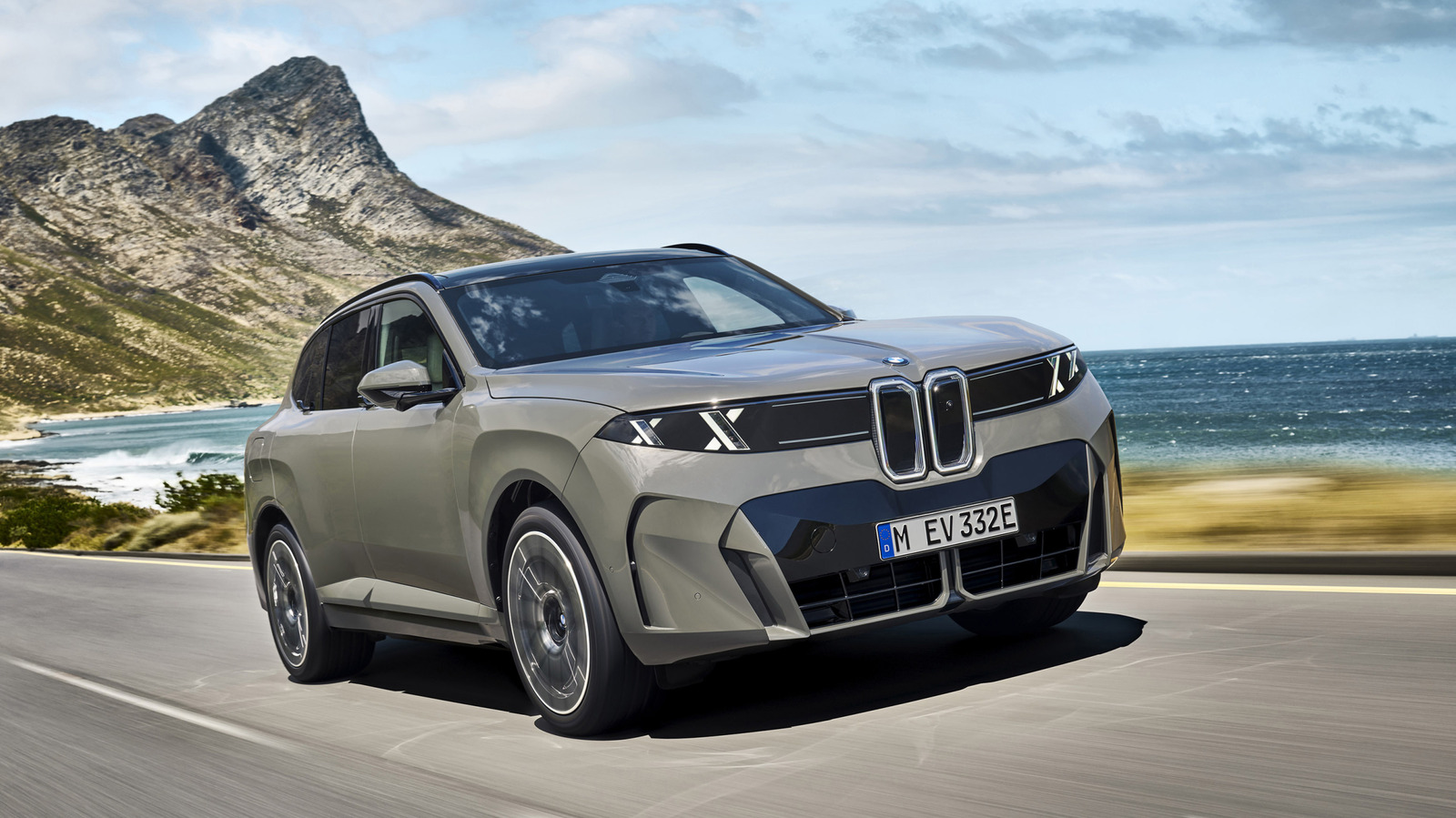
BMW has officially launched an all-electric version of its popular X5 SUV, addressing a long-standing gap in its lineup. This new electric model boasts an impressive estimated range of 435 miles on a single charge, positioning it as a competitive option in the growing electric vehicle market. The introduction of the electric X5 signifies BMW's commitment to expanding its electric portfolio and meeting consumer demand for sustainable luxury vehicles. Further details regarding specific performance metrics, charging capabilities, and market availability are expected to be released soon. This move is a significant step for BMW as it continues its transition towards electrification across its diverse range of models. The company aims to offer a fully electric option in most of its segments in the coming years. The electric X5 is anticipated to appeal to a broad customer base, from families to professionals, seeking a blend of luxury, performance, and environmental consciousness. Its substantial range addresses one of the primary concerns for potential EV buyers: range anxiety. This launch is a key development in BMW's broader strategy to reduce its carbon footprint and contribute to global sustainability efforts.
The introduction of an electric X5 with a substantial 435-mile range reflects the automotive industry's accelerating shift towards electrification, driven by regulatory pressures and evolving consumer preferences. BMW's strategic decision to electrify a high-volume, premium SUV like the X5 indicates a focus on leveraging established model success to drive EV adoption. This move aims to capture market share from competitors also expanding their electric offerings, particularly in the luxury segment. The significant range figure suggests advancements in battery technology and charging infrastructure, which are critical enablers for widespread EV acceptance. As the automotive landscape continues to transform, manufacturers face the challenge of balancing traditional internal combustion engine revenues with the substantial investments required for electric vehicle development and production, while navigating supply chain complexities and evolving consumer expectations regarding performance, cost, and sustainability.
AI-generated to prompt reflection — not editorial opinion, not advice, not a statement of fact. How this works.