BMW Owner Awaits Over a Year for Repairs, Paid Over $26,000
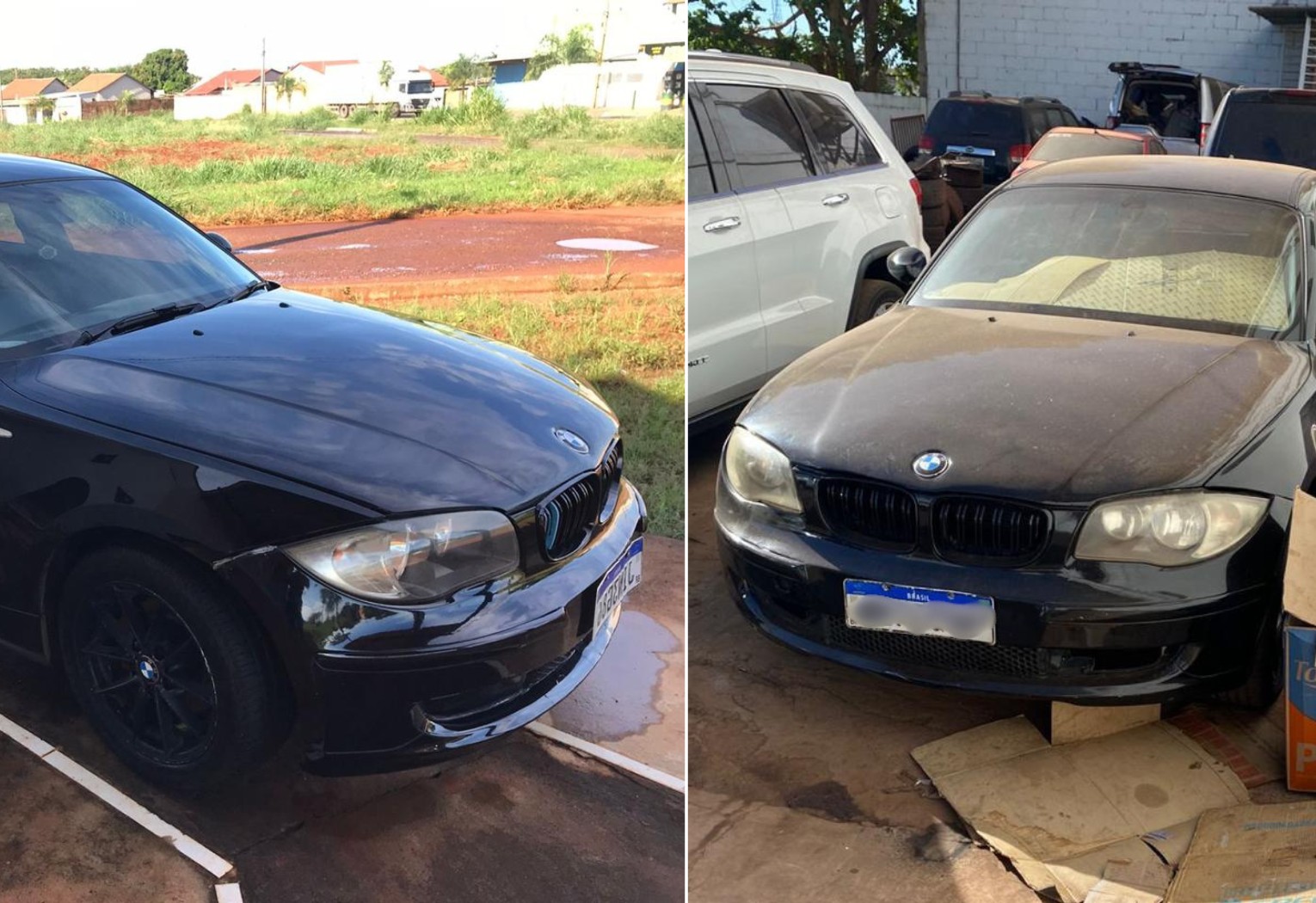
A 31-year-old resident of Palmas, Tocantins, Kelvin Lucas, has been waiting for over a year for repairs to his 2009 BMW 118i. He entrusted the luxury vehicle to a local workshop in early 2025 for engine work, paying more than R$ 26,000 upfront for the service. Despite the significant payment, Lucas has been unable to use his car and continues to pay the annual vehicle tax (IPVA). The case has escalated to the judiciary, which issued two orders for the immediate repair and return of the vehicle. Facing non-compliance, a daily fine of R$ 500 was imposed on the workshop in March, capped at R$ 15,000. The workshop claims the car has been ready since May and awaits Lucas's collection, but Lucas disputes this, stating that when he attempted to retrieve the car in April, it was in worse condition than when he dropped it off. He described the vehicle as having engine issues, burnt headlights, and faded paint due to outdoor exposure, expressing distress over potential financial loss and the car's deterioration.
Legal counsel suggests that consumers in such situations can pursue forced fulfillment of the service or a refund with monetary adjustment. An attorney, Vinícius Negreiros, advised that the case could be converted into a claim for material damages, seeking the full value of the vehicle if its return is unsatisfactory or if it has been damaged while in the workshop's possession. Lucas is concerned about being left with the financial burden of the car's repair and taxes while it remains unusable and allegedly in a worse state than before.
This situation highlights a significant breakdown in consumer trust and service delivery within the automotive repair sector. The substantial upfront payment for services, coupled with an extended delay and alleged deterioration of the vehicle, points to potential issues with workshop accountability and operational management. Legal recourse has been initiated, indicating a failure to resolve the dispute through direct negotiation. Future considerations for consumers might involve exploring service contracts with clearer penalty clauses for delays, utilizing escrow services for significant payments, and researching workshop reputations more thoroughly. For the industry, such incidents underscore the need for transparent communication, adherence to service level agreements, and robust internal processes to prevent prolonged disputes and protect both customer assets and business reputation in an increasingly competitive market.
AI-generated to prompt reflection — not editorial opinion, not advice, not a statement of fact. How this works.