BMW Plans 35-Hour Week to Cut Costs and Salaries Amid Economic Downturn
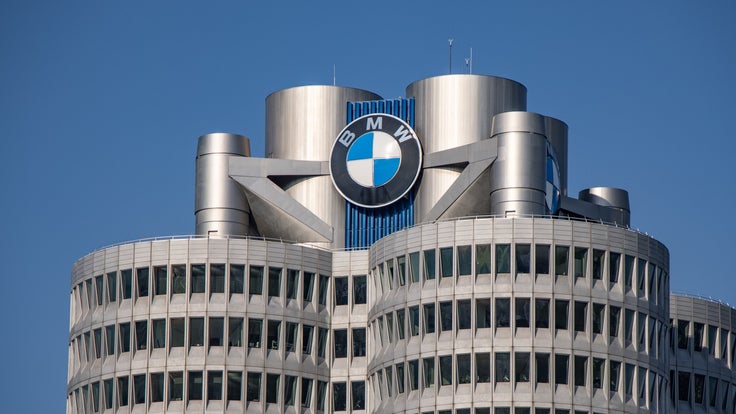
German automaker BMW is implementing a significant cost-saving program due to the challenging economic environment. The company is reportedly planning to introduce a 35-hour work week for its employees. This measure is expected to lead to salary reductions and potential job cuts for thousands of staff members. The move aims to mitigate the financial impact of the current economic pressures on the automotive giant. BMW is facing substantial economic headwinds, prompting this strategic decision to streamline operations and reduce expenditures. The specific details of the salary cuts and the number of employees affected are anticipated to be clarified as the program unfolds. This initiative reflects a broader trend of cost-cutting measures being adopted by industries worldwide in response to global economic instability. The company's decision underscores the severity of the economic situation impacting the automotive sector.
BMW's proposed 35-hour work week, coupled with salary reductions, represents a strategic response to prevailing economic conditions, aiming to preserve financial stability through reduced labor costs. This approach, while potentially mitigating immediate financial strain, introduces a trade-off between operational efficiency and employee compensation, which could affect morale and long-term talent retention. The company is navigating the complex interplay between market pressures and its workforce obligations, a common challenge for large enterprises in fluctuating economic cycles. Future considerations may involve exploring innovative work models that balance cost management with employee well-being and productivity in the evolving landscape of the automotive industry.
AI-generated to prompt reflection — not editorial opinion, not advice, not a statement of fact. How this works.