BMW to Cut 8,000 Jobs Globally, Production Staff Spared
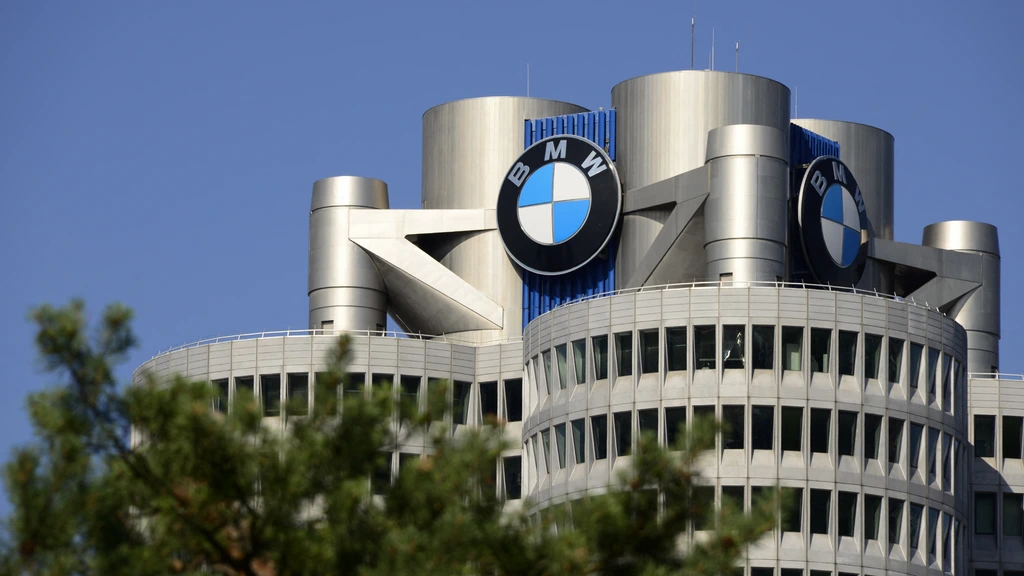
German automotive giant BMW is reportedly planning to eliminate approximately 8,000 jobs worldwide over the next 18 months, according to sources cited by German media and the DPA news agency. This reduction represents nearly 5% of the company's global workforce of 154,000 employees based in Munich. The reorganization will affect all departments except for those directly involved in vehicle production. BMW anticipates achieving these job cuts through natural attrition and voluntary departures. More than half of the positions to be eliminated are located in Germany. The company has not officially commented on these plans, but an attendee at an internal presentation reported that CEO Milan Nedeljkovic stressed the need for significant effort to enhance profitability and competitiveness. This move follows similar workforce reductions at other major German automakers, including Volkswagen, Mercedes, Audi, and Porsche, which have faced challenges in recent times. The German auto industry's struggles are attributed to increasing competition from Chinese manufacturers both domestically and internationally, as well as the impact of U.S. import tariffs on European carmakers. Nedeljkovic acknowledged that these market shifts are likely to be permanent. BMW is scheduled to release its half-year financial results tomorrow, having recently lowered its profit outlook due to weaker-than-expected sales figures.
The reported job cuts at BMW signal a significant strategic adjustment within the German automotive sector, driven by evolving global market dynamics. Increased competition from Chinese manufacturers and trade policy shifts, such as U.S. import tariffs, present substantial challenges to established European automakers. BMW's focus on streamlining operations and enhancing competitiveness suggests a proactive response to these pressures, aiming to secure long-term viability. The exclusion of production staff implies a strategic prioritization of core manufacturing capabilities while seeking efficiencies in administrative, research, and other support functions. This situation highlights the broader systemic pressures on legacy automotive companies as they navigate technological transitions and geopolitical uncertainties, necessitating agile adaptation to maintain market position in the coming decade.
AI-generated to prompt reflection — not editorial opinion, not advice, not a statement of fact. How this works.