BNP and Tarique Rahman Targeted Most by Misinformation in First Half of 2024
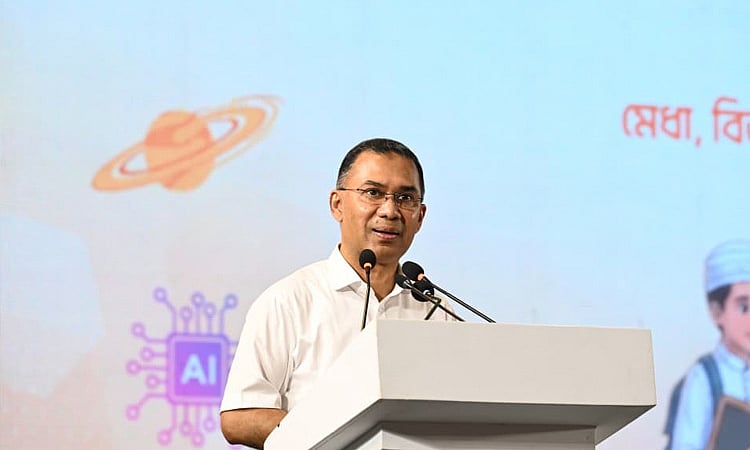
Fact-checking organization Rumor Scanner has reported that misinformation concerning the Bangladesh Nationalist Party (BNP) and its chairperson, Tarique Rahman, was most prevalent in the first six months of 2024. The analysis, based on 3,210 fact-checked reports published between January and June, indicates a 79% increase in online misinformation compared to the same period last year. Tarique Rahman was the subject of 351 misinformation reports, with 223 related to his role as party chairperson and 128 as prime minister. A significant majority of these reports, approximately 85% when he was identified as party chief and 73% as prime minister, presented him negatively. Overall, around 80% of misinformation about the BNP itself was also negative.
Misinformation regarding the new government, which took office before June, amounted to 305 reports, with nearly 86% being unfavorable. Cabinet members also faced misinformation, with 126 reports targeting them, including 35 concerning Home Minister Salahuddin Ahmed. Notably, misinformation targeting Tarique Rahman as party chairperson decreased sharply from 222 reports in the first quarter to just one in the second quarter, attributed to his reduced involvement in party politics after assuming the prime ministership. Following Rahman, Sheikh Hasina, who fled to India after being ousted in the July coup, and Shafiqur Rahman, the opposition leader and chief of Jamaat-e-Islami, were also frequent targets of misinformation.
The BNP and its affiliates were involved in 980 misinformation incidents, the highest among political parties, with 95% being negative. Jamaat-e-Islami followed with 702 incidents (88% negative). The National Citizens Party (NCP) had a lower total but the highest negativity rate at 92% out of 315 incidents. Conversely, 659 misinformation reports about the banned Awami League were largely positive or promotional (92%). The overall volume of misinformation increased significantly, with a shift from political topics to education, sports, and religion in the second quarter, indicating a change in focus rather than a decrease in volume. The 13th National Parliamentary Election was the most prominent domestic issue driving misinformation, with 774 related reports, while the Iran-Israel conflict was the leading international topic.
The surge in misinformation, particularly targeting political entities like the BNP and its leaders, highlights the evolving landscape of information warfare in Bangladesh. The significant increase of 79% year-on-year suggests that political actors are increasingly leveraging online platforms to shape public perception, often through negative framing. The shift in focus from political instability to broader societal issues in the second quarter indicates a strategic adaptation by misinformation purveyors, potentially to circumvent scrutiny or exploit emerging public concerns. The rise of AI-generated content and the propagation of satirical posts as factual news present new challenges for fact-checkers and platforms, demanding more sophisticated detection and mitigation strategies. This trend underscores the critical need for enhanced digital literacy among the populace and robust regulatory frameworks to ensure a more reliable information ecosystem, especially in the lead-up to significant political events.
AI-generated to prompt reflection — not editorial opinion, not advice, not a statement of fact. How this works.