BNP Leader's Murder: Another Suspect Arrested in Dhaka
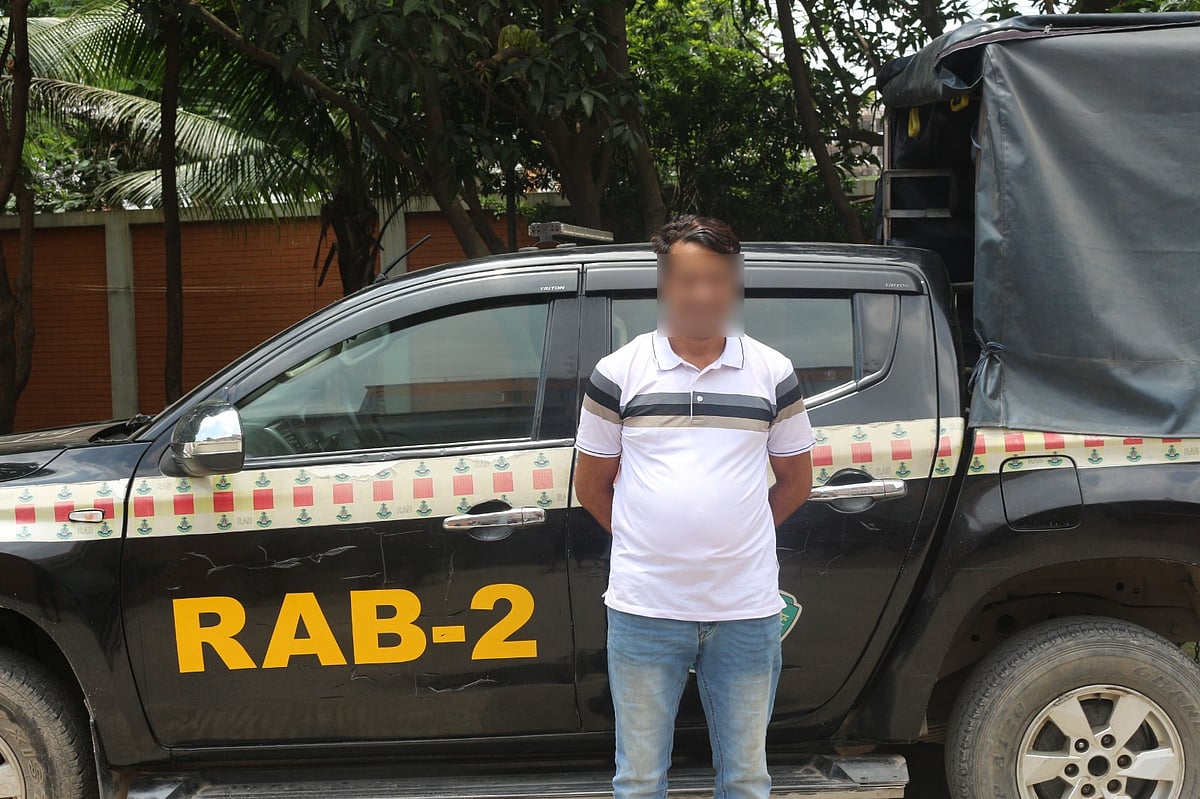
RAB-2 has arrested Monowar Hossain, also known as Ledu Hasan, in connection with the murder of BNP leader Abul Bashar alias Bashar. Bashar was fatally stabbed on July 1st in the Adabar area of the capital following a clash that erupted while watching a World Cup football match between Japan and Brazil. Monowar Hossain is accused of supplying the weapon used by the main suspect, Parvez, in the killing. The arrest was made during an operation in the Mohammadi Housing Society area of Mohammadpur on Tuesday night. RAB-2 Commander Naimul Hasan disclosed these details at a press conference today at the RAB media center in Karwan Bazar. According to Adabar Thana BNP sources, Monowar Hossain was a joint convener of the Adabar Thana BNP but had been expelled twice for violating party discipline. He faced allegations of involvement after the murder of Abul Bashar in the Nobodoy Housing area. RAB stated that Monowar Hossain has a history of 32 cases against him in various Dhaka police stations, including charges of murder, arms, extortion, and drugs. He was a named accused in the high-profile Ohiduzzaman murder case of 2010, serving jail time until 2012. He was previously arrested in 2021 with a foreign pistol, magazine, and bullets, and has a 10-year sentence in an arms case. Local residents had also accused him of extortion, criminal activities, and patronizing a teenage gang.
This incident highlights the persistent challenges of political violence and organized crime within urban centers, often intertwined with local power dynamics. The involvement of a party official, even one previously expelled, suggests that internal party structures may struggle to fully disassociate from individuals with criminal histories. The extensive criminal record of the arrested individual, spanning decades and multiple serious offenses, raises questions about the effectiveness of the justice system in incapacitating repeat offenders. Furthermore, the alleged patronage of criminal gangs by individuals with political connections points to systemic vulnerabilities that can be exploited for illicit gain and influence, necessitating a review of governance and law enforcement oversight mechanisms to prevent such recurrences.
AI-generated to prompt reflection — not editorial opinion, not advice, not a statement of fact. How this works.