Boa Vista City Hall Continues Earthmoving Works in Pedra Pintada Neighborhood
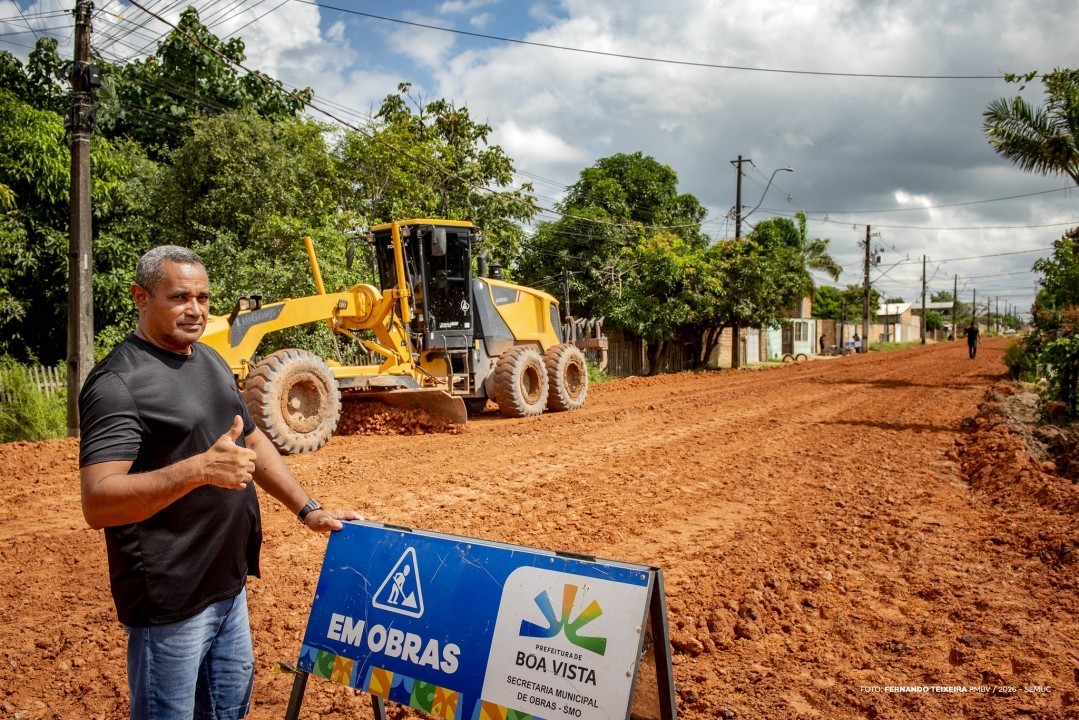
The Boa Vista City Hall has continued its earthmoving operations in the Pedra Pintada neighborhood this week, focusing on improving street infrastructure. The work has already covered approximately 1,500 meters of roads, including streets like Topázio, Jade, Pérola, Olho de Tigre, Turmalina, and Turquesa. Current efforts are concentrated on Rua Turquesa, with plans to extend to other avenues such as Ametista, Castelita, Safira, Esmeralda, Quartzo, and Cristal. According to Gino Falcão, the deputy municipal secretary of Urban Mobility (SEMOB), these improvements are designed to enhance the quality of life for residents by providing comfort, dignity, and safety, while also improving traffic flow within the capital. The earthmoving project is part of the administration's commitment to investing in infrastructure and delivering tangible benefits to the Pedra Pintada community. Beyond roadworks, the neighborhood has also seen the inauguration of the Complexo da Primeira Infância Missionária Pauline Suellen da Silva Andrade, which includes Praça José Francisco Gomes, Jardim Filtrante, and the Municipal School Professor Fridman da Cunha Nascimento. Long-time resident Cesário Nascimento da Silva, 63, expressed his approval of the ongoing developments, viewing them as evidence of the city's dedication to its citizens and the neighborhood's progress.
The earthmoving and infrastructure upgrades in Boa Vista's Pedra Pintada neighborhood represent a municipal government's effort to enhance urban living conditions and public services. Such projects are standard practice for local administrations aiming to demonstrate responsiveness to community needs and foster economic development through improved accessibility and safety. The stated goals of enhancing quality of life, dignity, and traffic flow are typical outcomes sought by such public works. From a systemic perspective, consistent investment in basic infrastructure is crucial for urban resilience and citizen satisfaction. The inclusion of community facilities alongside road improvements suggests a holistic approach to neighborhood development. Future evaluations could consider the long-term impact on property values, local commerce, and the equitable distribution of such improvements across all city districts, ensuring that development is sustained and broadly beneficial.
AI-generated to prompt reflection — not editorial opinion, not advice, not a statement of fact. How this works.