Boa Vista Paves Venezuela Avenue to Boost Mobility and Urban Growth
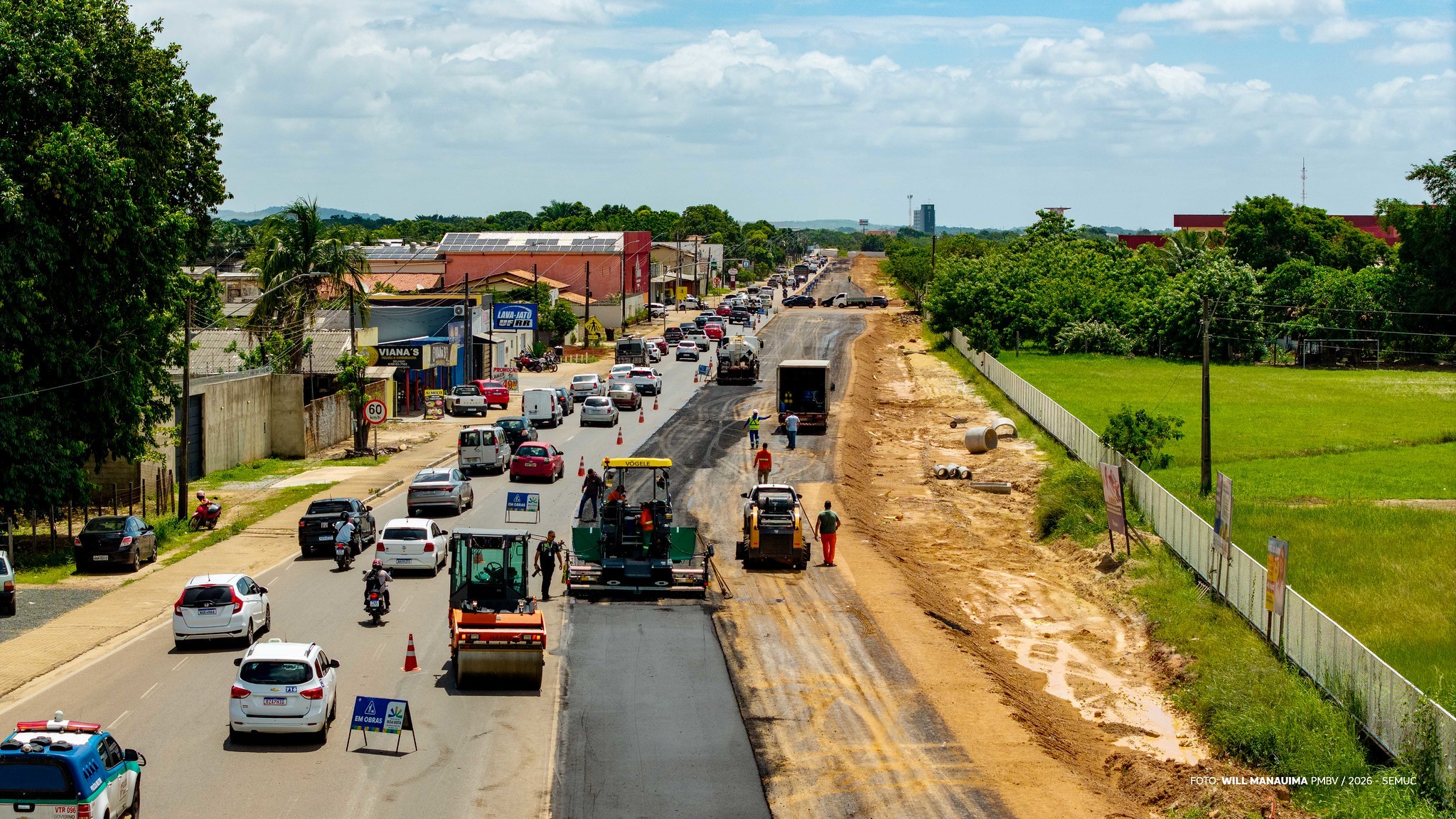
The municipal administration in Boa Vista, Brazil, is advancing the duplication project of Venezuela Avenue with the commencement of asphalt paving on a key section. This first phase involves laying 1.1 kilometers of asphalt between Avenida Brigadeiro Eduardo Gomes and Rua Sargento Azevedo, connecting the Aeroporto and Jardim Floresta neighborhoods. The project includes the construction of sidewalks, curbs, and signage, aiming to enhance both vehicular and pedestrian safety and mobility. Prior to paving, approximately one kilometer of drainage systems was installed, followed by earthworks. Upon completion of the asphalt layer, urbanization services, including sidewalks, curbs, and signaling, will be finalized. The second phase of the project will extend the avenue to Monte das Oliveiras. This initiative, managed by the Municipal Secretariat of Works (SMO) through an agreement with the Ministry of Cities and funded by a parliamentary amendment, is considered a strategic investment to accommodate Boa Vista's urban expansion. The duplication is expected to significantly improve traffic flow, reduce congestion and travel times, and increase safety on this vital city corridor, which handles a substantial daily vehicle volume. The completed avenue will benefit residents of several neighborhoods, including Jardim Floresta, Aeroporto, Caranã, Cidade Satélite, Cauamé, Pedra Pintada, and Monte Cristo, further strengthening the capital's urban infrastructure.
This infrastructure project in Boa Vista addresses the practical needs of urban mobility and growth by expanding a critical traffic artery. The duplication of Venezuela Avenue, incorporating drainage, paving, and pedestrian facilities, represents a conventional approach to managing increased vehicular traffic and supporting urban development. The funding mechanism, involving a parliamentary amendment and federal ministry agreement, highlights the interplay between local governance and national resource allocation for public works. As cities worldwide grapple with population growth and transportation demands, such projects are essential for maintaining economic activity and quality of life. The long-term success will depend on integrated urban planning that anticipates future needs and ensures the sustainability of the infrastructure, considering potential impacts on surrounding communities and the environment.
AI-generated to prompt reflection — not editorial opinion, not advice, not a statement of fact. How this works.