Boars Preying on Rabbits on "Rabbit Island" Linked to Human Feeding
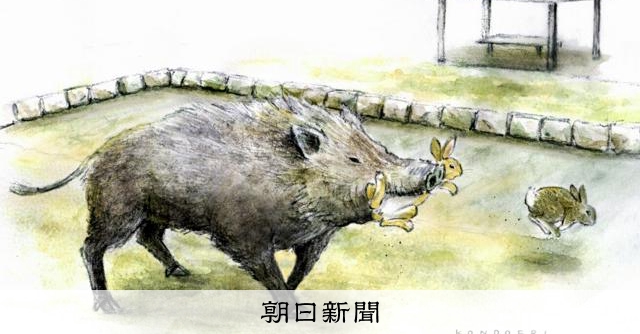
On Okunoshima, an island in Japan famously known as "Rabbit Island," wild boars have been observed preying on the island's rabbit population. This behavior is believed to be exacerbated by human feeding practices, which have altered the natural ecosystem and the animals' behaviors. The island, located in Hiroshima Prefecture, is a popular tourist destination, largely due to its large number of friendly wild rabbits that roam freely. However, the presence of boars, which are not native to the island, poses a significant threat to the rabbits. Conservationists and local authorities are concerned about the ecological imbalance caused by these interactions. The feeding of rabbits by tourists, while well-intentioned, has attracted other wildlife, including the boars. This has led to a situation where the boars, possibly finding it easier to hunt rabbits than forage for natural food sources, are increasingly targeting them. Efforts are reportedly being considered to manage the boar population and to educate visitors about the negative consequences of feeding the wildlife. The long-term impact on the island's unique ecosystem and its rabbit population remains a significant concern.
The situation on Okunoshima highlights a common ecological challenge arising from human interaction with wildlife, particularly in tourist-frequented natural areas. The practice of feeding wild animals, even with benign intentions, can disrupt natural food chains and behavioral patterns, inadvertently creating dependency and altering predator-prey dynamics. This case illustrates how well-meaning human actions can lead to unintended negative consequences, such as the boars' shift towards predation on rabbits due to altered food availability. Moving forward, sustainable tourism management will require robust educational campaigns for visitors and potentially more active ecological interventions to restore balance. The long-term viability of the island's unique rabbit population depends on addressing these human-induced pressures and fostering an environment where natural ecological processes can reassert themselves, guided by an understanding of animal behavior and ecosystem health.
AI-generated to prompt reflection — not editorial opinion, not advice, not a statement of fact. How this works.