Body Fat Percentage: A Better Health Metric Than Weight or BMI
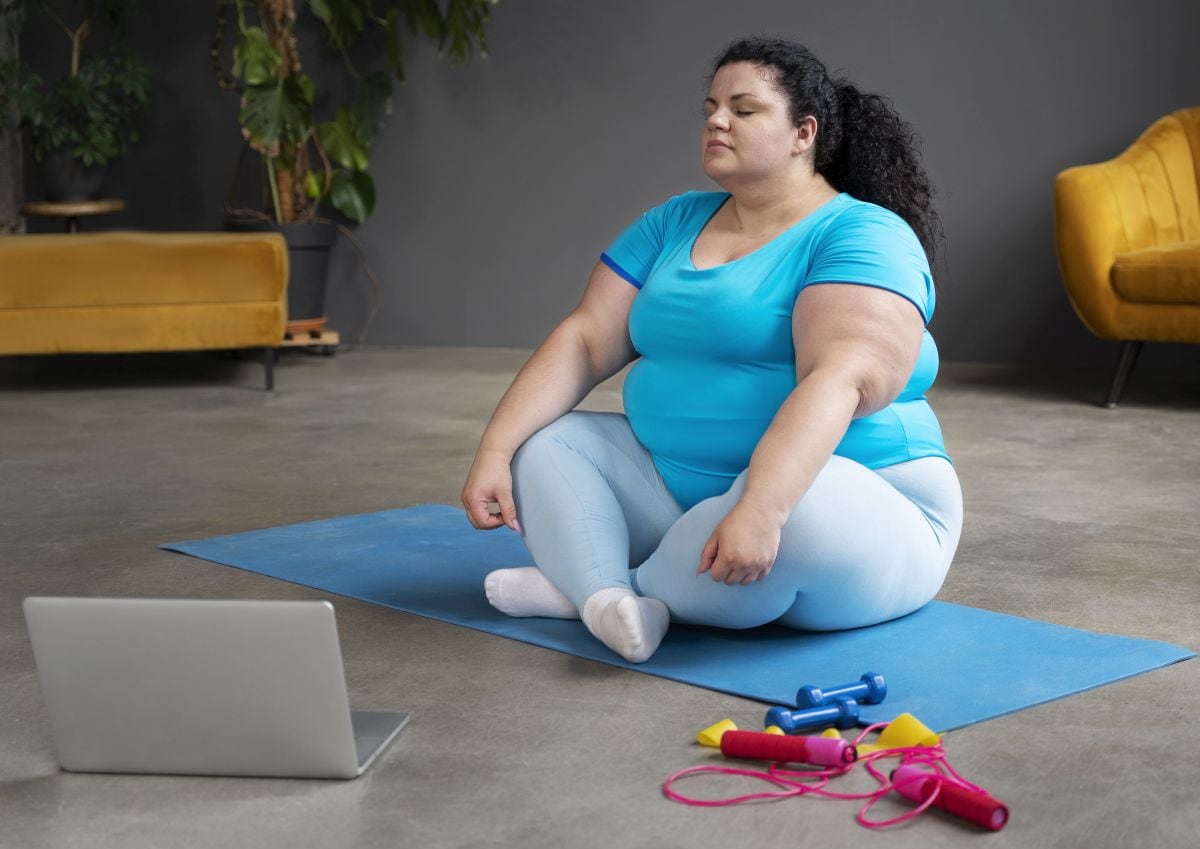
Body fat percentage is presented as a superior health indicator compared to traditional metrics like weight or body mass index (BMI). This method offers a more nuanced understanding of body composition by differentiating between accumulated fat and lean mass. Unlike simple weight measurements or BMI, which can be misleading, body fat percentage provides a clearer picture of an individual's health status. For instance, someone might have a high BMI due to muscle mass, which is healthy, but a high body fat percentage indicates potential health risks. Conversely, a person with a lower BMI might still have an unhealthy amount of body fat. Therefore, focusing on body fat percentage allows for a more accurate assessment of metabolic health and associated risks. This evaluation helps individuals and healthcare professionals make more informed decisions about health and fitness. It encourages a focus on body composition rather than just overall weight. Understanding this metric is crucial for effective health management and disease prevention.
Focusing on body fat percentage over weight or BMI represents a shift towards a more sophisticated understanding of health, acknowledging that body composition is a more critical determinant of well-being than mere mass. This metric's ability to distinguish between fat and lean mass highlights the limitations of simpler indicators, which can misrepresent health status due to variations in muscle, bone density, or water content. As AI and advanced diagnostics become more integrated into healthcare, personalized health assessments will increasingly rely on granular data like body fat percentage. This trend suggests a future where health interventions are tailored to individual physiological profiles, moving beyond population-level averages and potentially improving preventative care and chronic disease management by identifying risks earlier and more accurately.
AI-generated to prompt reflection — not editorial opinion, not advice, not a statement of fact. How this works.