Body left at Barra do Corda cemetery moved by Imperatriz IML
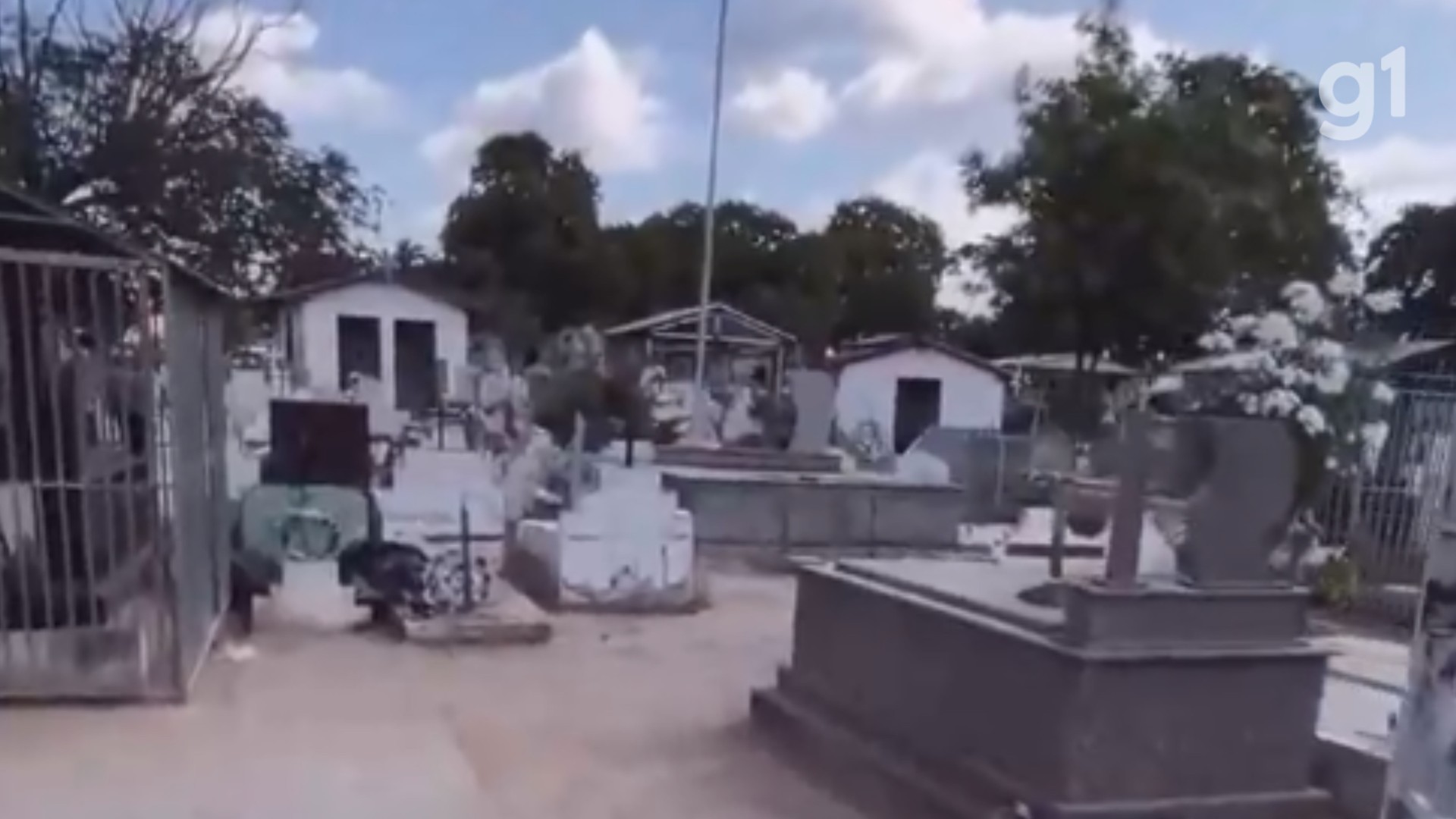
The body found at the municipal cemetery in Barra do Corda, Maranhão, has been collected by the Forensic Medical Institute (IML) in Imperatriz. On Monday, the 13th, individuals discovered only the bag containing the remains. The Civil Police of Maranhão stated that the body has not yet been released to the family and will undergo forensic examinations to help determine the cause of death, with the victim's identity still unconfirmed. Initially, the Civil Police attempted to use the IML in Timon, but a vehicle malfunction prevented them from transporting the body. Consequently, the case was transferred to the IML in Imperatriz for collection. Due to the advanced state of decomposition and the resulting odor, the body could not remain at the Urgent Care Unit (UPA). Authorities decided to place it in the cemetery's chapel. However, after transport by the responsible funeral home, the body was left exposed outdoors. The Civil Police intend to notify the funeral home to explain this deviation from the directive to keep the body within the chapel. The body is currently at the IML in Imperatriz. The State Government had not commented on the incident or the delay in collection as of the latest update. The body had been at the cemetery for nearly three days awaiting IML retrieval after being found on Friday, the 10th, in a wooded area. After being taken to the UPA, it was determined the facility could not store the decomposing remains. The funeral home then reportedly returned the body to the cemetery, awaiting the IML from Timon. Investigations suggest the family cannot afford burial costs and is awaiting IML procedures. The Civil Police stated the body should have remained at the UPA and denied knowledge of authorization for it to be left at the cemetery. Neither the Maranhão State Government nor the Barra do Corda City Hall had issued statements.
This incident highlights systemic failures in municipal and state-level emergency response and forensic services coordination. The delay in body retrieval, compounded by logistical issues like vehicle availability and facility storage capacity, resulted in the undignified handling of human remains. This situation points to potential underfunding or mismanagement of essential public services, including funeral home oversight and inter-agency communication protocols. Future improvements could involve establishing clearer protocols for body storage and transport during IML disruptions, ensuring adequate resources for timely forensic services, and implementing robust oversight mechanisms for contracted funeral services to prevent such lapses in care and public trust.
AI-generated to prompt reflection — not editorial opinion, not advice, not a statement of fact. How this works.