Body of 22-year-old surfer found after disappearing at Itaparica beach
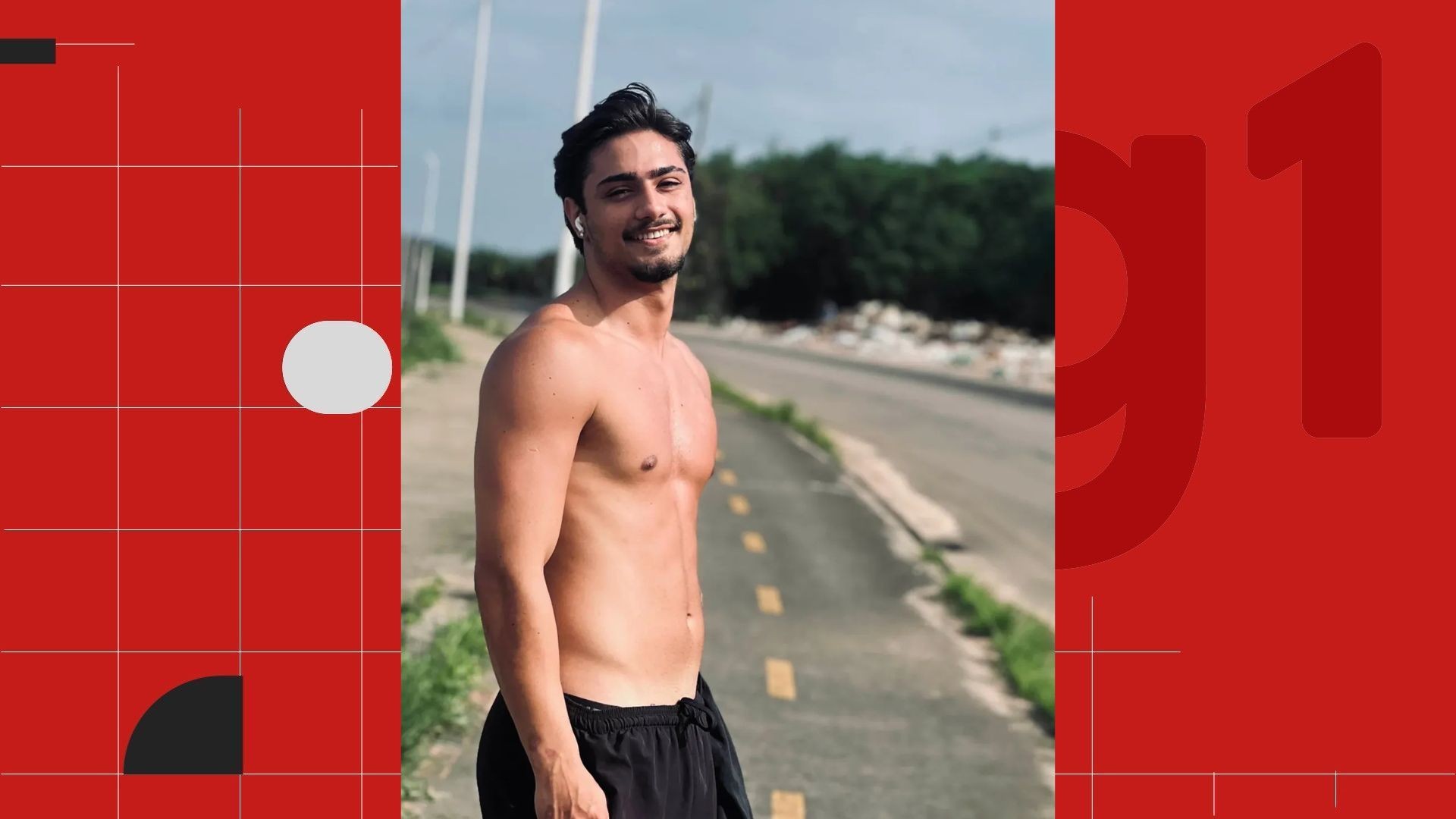
The body of Arthur Mulinari Oliveira, a 22-year-old surfer, was discovered on Thursday, May 9th, in Vila Velha, Espírito Santo, Brazil, two days after he went missing while surfing at Praia de Itaparica. Mulinari was described by his family as a passionate sports enthusiast who lived life to the fullest and was always eager for new experiences. He worked as a delivery driver and was considered a kind and good-natured young man. He was the youngest of three siblings and lived with his mother in the Vale Encantado neighborhood. His family remained at the beach throughout the search efforts, which involved rescue teams, jet skis, drones, boats, and a dive team from the Fire Department. Mulinari's brother, Welker Mulinario, explained that Arthur had recently become more intensely involved in surfing. On Tuesday, May 7th, Arthur was surfing with his best friend when they were caught by a strong wave, causing both to struggle in the water. While the friend managed to reach the shore, Arthur did not. The friend later realized that the leash connecting Arthur to his surfboard had broken. The section of Praia de Itaparica where the incident occurred is marked with a red flag, indicating high risk for swimmers and surfers. The body was found approximately 1.5 kilometers from where he disappeared.
The tragic loss of Arthur Mulinari highlights the inherent risks associated with water sports, particularly in areas designated as high-risk. The incident underscores the importance of adhering to safety advisories, such as red flag warnings, and the critical role of equipment integrity, as evidenced by the broken surfboard leash. Future considerations for water safety initiatives in such locations could involve enhanced real-time hazard communication, mandatory safety equipment checks, and potentially increased lifeguard presence during periods of heightened risk. Examining the systemic factors that contribute to such accidents, including environmental conditions and individual decision-making within a high-risk context, can inform preventative strategies for the surfing community and coastal authorities.
AI-generated to prompt reflection — not editorial opinion, not advice, not a statement of fact. How this works.