Body of Dayse Diniz Awaits DNA Results for Identification in Santarém
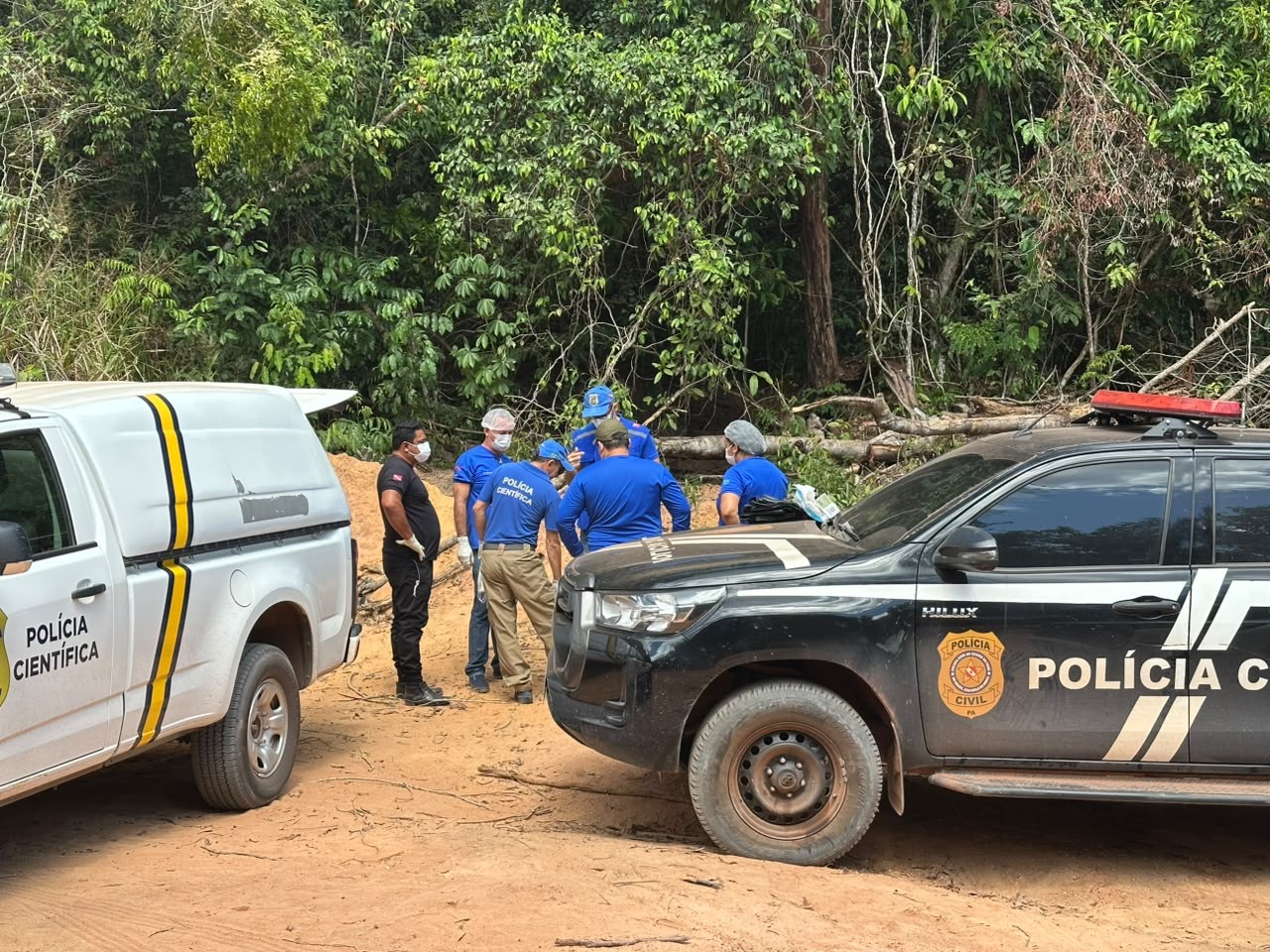
The body of 25-year-old Dayse Diniz, found deceased in a wooded area in Santarém, Pará, remains at the Institute of Legal Medicine (IML) awaiting identification. Her family confirmed on Monday, June 3rd, that the release of her remains is contingent on legal and forensic procedures by the Scientific Police of Pará. This process could take up to 30 days, preventing the immediate transfer of her body to Oriximiná for burial. The family has requested understanding and patience for official updates. Due to the advanced decomposition of the body, conventional identification methods were not possible. The Scientific Police stated that confirmation will rely on a DNA test or dental records. As dental radiographs were unavailable, genetic material was collected from family members for DNA analysis. The body will only be released after the examination and official identity confirmation, adhering to legal protocols. Dayse Diniz had been missing since the evening of July 23rd. Her body was discovered six days later in the São Brás community. Civil Police investigations suggest she met a suspect on the night of her disappearance and was taken to a farm where the crime allegedly occurred. The primary suspect, João Pedro Pereira dos Santos, has been arrested and confessed to the murder. He has a prior conviction for another femicide in Uruará and was a fugitive from the prison system, having used a false name when initially arrested for robbery. He remains in custody and faces charges of femicide and corpse concealment. The investigation is ongoing under the Specialized Women's Services Police Station (Deam).
The prolonged identification process for Dayse Diniz highlights systemic challenges in forensic science, particularly when dealing with bodies in advanced decomposition. While the reliance on DNA testing is a scientifically robust method, the potential 30-day waiting period underscores the need for increased resources and expedited protocols within forensic institutions to minimize further distress for grieving families. The case also brings to light the critical importance of comprehensive digital and physical records, such as dental radiographs, which can significantly streamline identification and reduce reliance on more time-consuming genetic analyses. The suspect's history of violence and evasion of justice points to broader societal issues concerning recidivism and the effectiveness of correctional systems in preventing future crimes, particularly those involving gender-based violence.
AI-generated to prompt reflection — not editorial opinion, not advice, not a statement of fact. How this works.
