Body of Dutch Tourist Who Drowned on Iguaçu National Park Boat Tour Released
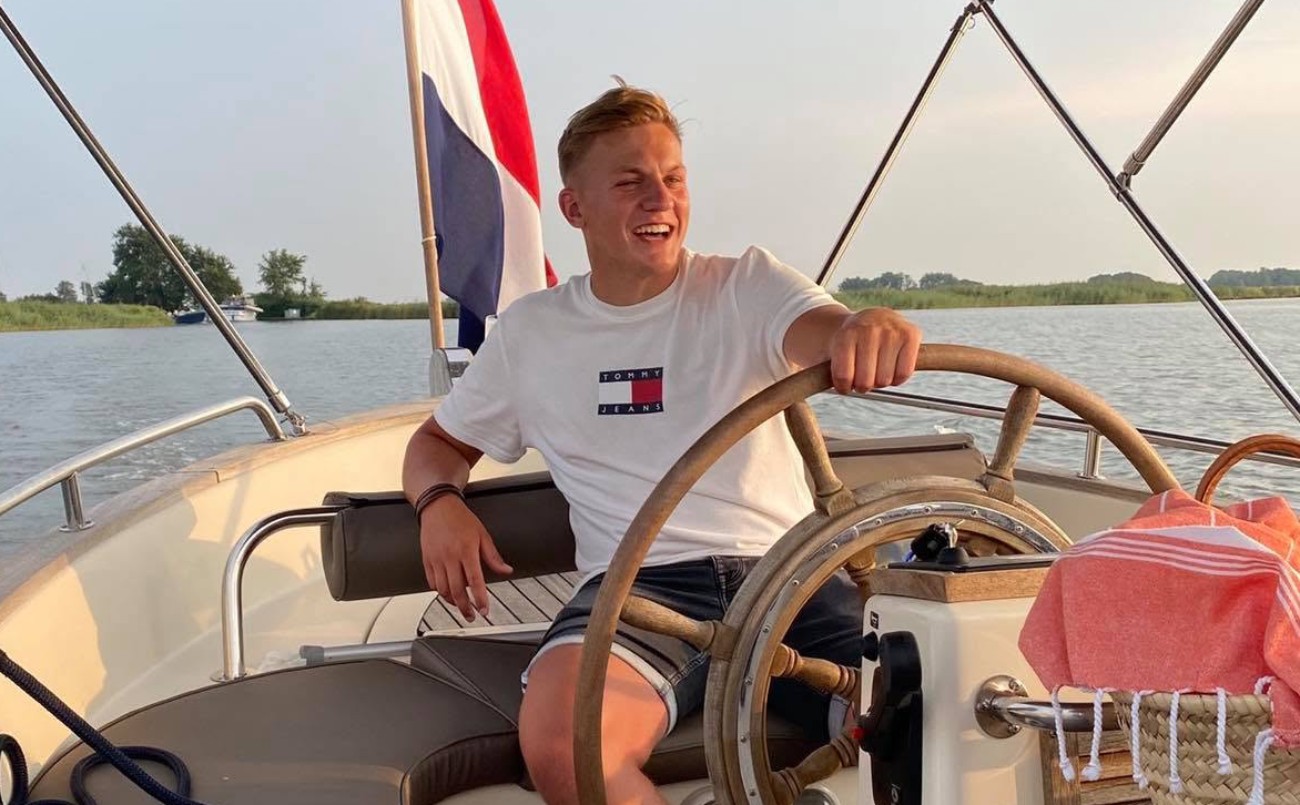
The body of Mark Lensink, a 25-year-old Dutch tourist who drowned during a boat tour in Iguaçu National Park, has been identified and released by the Scientific Police on Thursday, May 30th. Lensink had arrived in Foz do Iguaçu with his fiancée's family on Monday, May 27th, and the accident occurred on Tuesday, May 28th, during the Macuco Safari tour. His identification was confirmed by comparing documents from the Dutch Consulate with examinations conducted in Paraná. Although the body has been released, the forensic investigation is ongoing to determine the official cause of death, with the findings to be submitted to the Civil Police, who are investigating the incident. The Dutch Consulate-General in São Paulo confirmed it is providing consular assistance to the family and coordinating with local and Dutch authorities. The boat, carrying eight people including Lensink, his fiancée, her parents, his sister-in-law, her boyfriend, and two crew members, capsized around noon on Tuesday. All were rescued from the water, but Lensink suffered cardiac arrest after being attended by park staff and transported to a local hospital, where he was pronounced dead. The Macuco Safari company, which operates the ecotourism tours, expressed its condolences and is assisting the survivors. The company has over 40 years of experience and holds all necessary certifications. The Brazilian Navy conducted initial assessments, and the Fluvial Captaincy of the Paraná River will investigate the incident. The Macuco Safari tour operations have been suspended for three days starting Wednesday, May 29th, by order of the ICMBio, which confirmed the concessionaire's documentation is regular. Lensink was reportedly planning to marry in September.
This incident highlights the critical importance of rigorous safety protocols and real-time risk assessment in adventure tourism, particularly in environments with inherent natural hazards like strong currents and waterfalls. While the Macuco Safari company asserts its commitment to safety and compliance, the tragic loss of life necessitates a thorough review of operational procedures, emergency response capabilities, and the specific environmental conditions encountered during the tour. Investigations by the Brazilian Navy and Civil Police will be crucial in determining contributing factors, whether they relate to equipment, human error, or unforeseen environmental events. The suspension of operations by ICMBio underscores the regulatory oversight and the need for accountability. Moving forward, the industry must consider how technological advancements and enhanced training can further mitigate risks, ensuring that the pursuit of unique visitor experiences does not compromise fundamental safety standards, especially as global tourism continues to recover and expand.
AI-generated to prompt reflection — not editorial opinion, not advice, not a statement of fact. How this works.