Body of Elderly Man Missing After Boat Capsizing Found in Amazon River
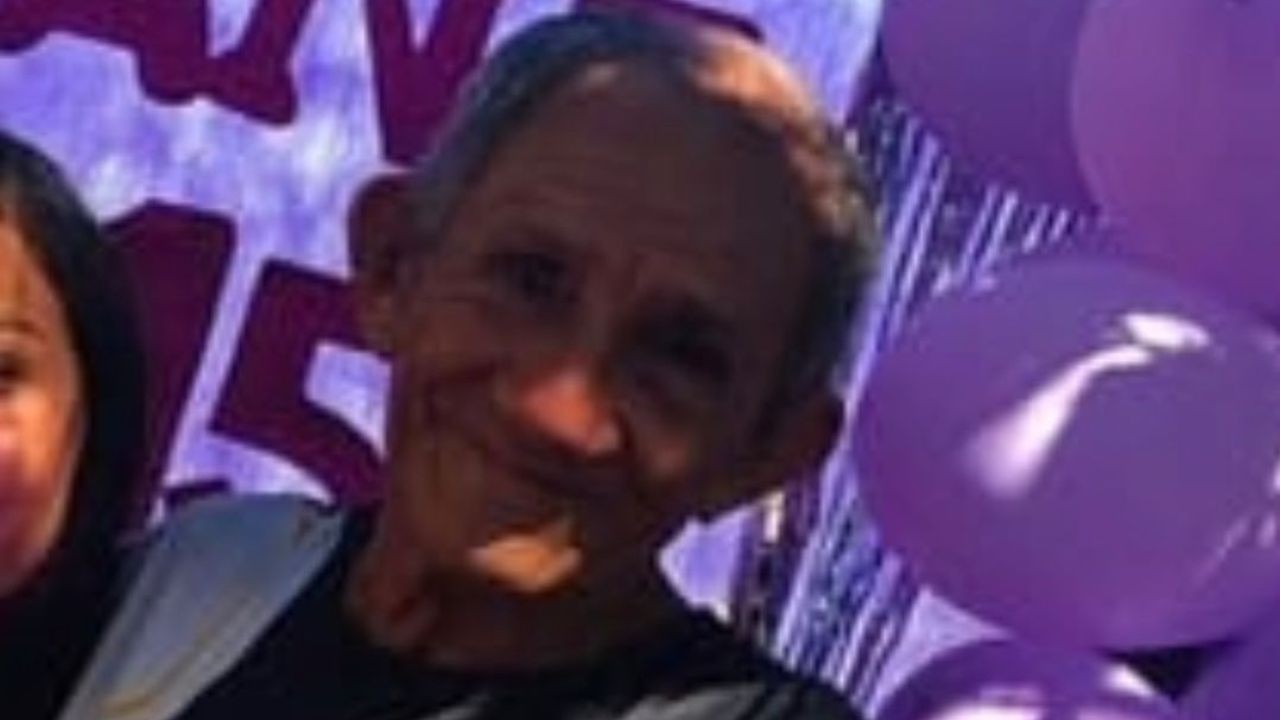
The body of Wilson Brito da Silva, 70, who went missing after a canoe capsized on the Urubu River in Silves, Amazonas, was found on Friday, June 3rd. He had been missing since the early morning of Tuesday, May 30th, when the canoe capsized during a trip between Silves and Itacoatiara. A local resident spotted the body, which was then transported to the municipal seat for burial. Mr. da Silva was traveling with four other people when a strong storm caused the canoe to capsize. The group had departed from the São Raimundo do Vida community in Silves, heading to São José do Piquiá in Itacoatiara to handle banking matters. The accident also claimed the lives of Antônia Rodrigues da Silva, 69, Mr. da Silva's wife, and Honorina Serrão Viana, 79, whose bodies were recovered on Tuesday. The sole survivor, Jucélio da Silva, 43, son of Wilson and Antônia, swam for approximately two hours before finding support on a tree and was subsequently rescued by occupants of a small boat. Jucélio recounted that a powerful wave struck the canoe, causing his mother and aunt to be thrown off. Despite his efforts to calm his mother and help her and his aunt cling to the canoe, he lost sight of them when the water submerged him.
This tragic event highlights the inherent risks associated with water transportation in remote regions, particularly during adverse weather conditions. The incident underscores the vulnerability of communities reliant on small vessels for essential services like banking, and the critical need for robust weather monitoring and emergency response systems. Future considerations should include enhancing navigational safety protocols, potentially through improved vessel design or mandatory communication devices, and establishing more accessible banking alternatives to reduce the necessity for hazardous travel. The systemic challenge lies in balancing the logistical demands of remote populations with the imperative of ensuring public safety against environmental hazards.
AI-generated to prompt reflection — not editorial opinion, not advice, not a statement of fact. How this works.