Body of Kidnapped Businessman Found in Carapicuíba After Seven-Day Search
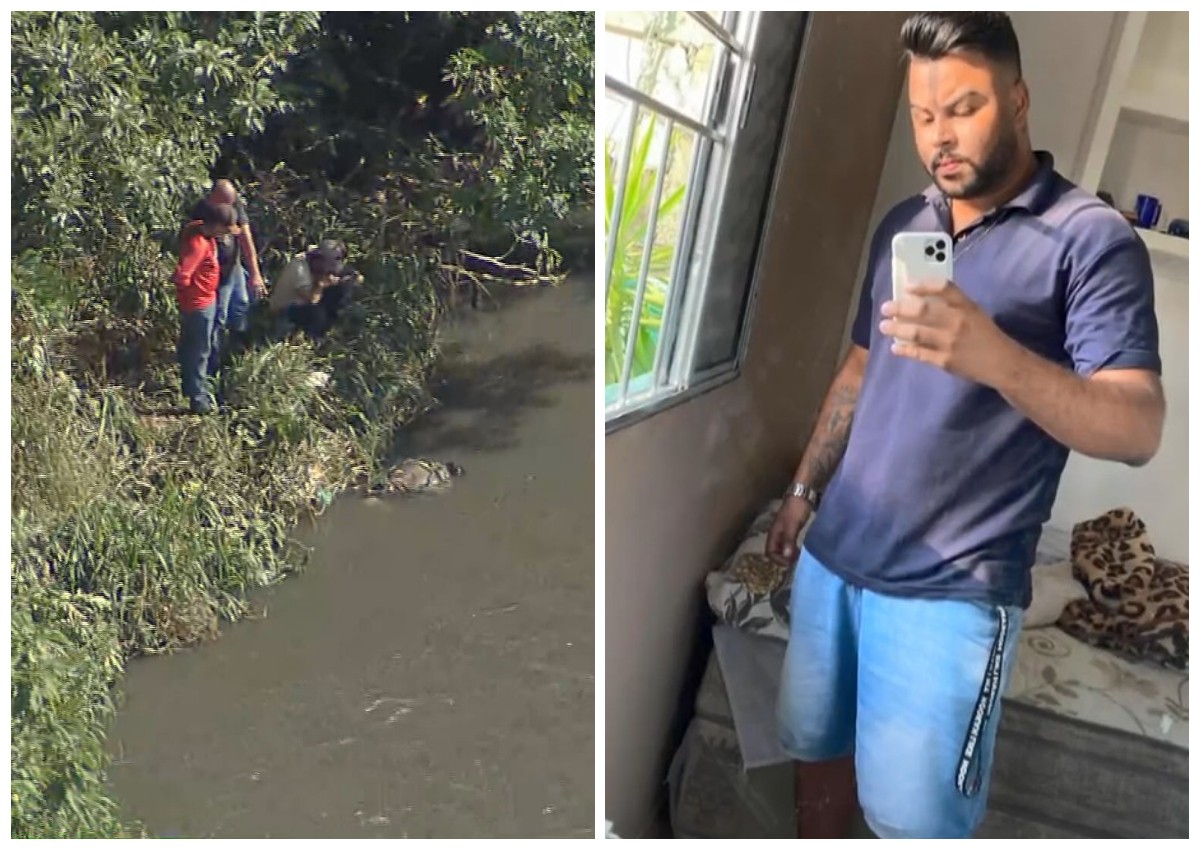
The body of 31-year-old businessman Marcelo Magalhães was discovered on Thursday, July 23rd, in the Rio Cotia stream in Carapicuíba, Greater São Paulo. Magalhães had been missing since July 16th, with search efforts for his remains commencing on July 17th. Authorities have classified the incident as a kidnapping followed by death, orchestrated by a group linked to his friend, Lucas Soares de Lima, known as ‘Quadrado,’ who is considered the mastermind. Lima allegedly lured Magalhães to the location of the abduction with the assistance of his brother, Paulo Sérgio Soares de Almeida, and friend, Júlio César Moura Batista. All three individuals have been arrested and charged with qualified homicide and kidnapping, while investigators are seeking a fourth suspect. Surveillance footage from Magalhães's apartment building in Carapicuíba shows him leaving alone in his armored car on July 16th. The investigation suggests he went to a bar, met a friend, and subsequently disappeared. Police have obtained images of Magalhães in captivity before his death. Prior to his murder, the perpetrators transferred R$ 8,000 from his bank accounts. Witnesses identified Lucas Soares de Lima as the crime's architect, who had been extorting money from Magalhães and demanding expensive gifts and even an apartment, reportedly due to knowledge of Magalhães's romantic relationships. Lima's mother, Zemira Santos Soares, reported her son Paulo Sérgio to the police, recounting his distress about Lucas's actions. Marcelo Magalhães owned a construction materials store and co-owned a demolition and equipment rental company. Notably, Magalhães had founded a project called ‘Guiados por uma Estrela’ to support children with cancer, established after his one-year-old daughter, Lara Manuela, succumbed to the disease in 2021. His former partner, Evellyn Dias, subsequently founded the Instituto Lara Manuela to aid sick children.
This tragic event highlights the vulnerability of individuals to sophisticated criminal enterprises, even those seemingly connected through personal relationships. The perpetrators' alleged actions, including financial extortion and the use of personal knowledge for leverage, point to a calculated scheme that exploited trust. The investigation's progression, from Magalhães's disappearance to the discovery of his body and the subsequent arrests, underscores the critical role of surveillance technology and witness testimony in modern law enforcement. The case also brings to light the systemic challenges in preventing such crimes, particularly when they involve betrayal by acquaintances. Magalhães's philanthropic efforts in memory of his daughter, while a testament to his character, also serve as a poignant reminder of personal loss that can coexist with societal dangers. Future efforts may focus on enhancing community-based safety nets and developing more robust mechanisms for early detection of escalating interpersonal conflicts that could turn violent.
AI-generated to prompt reflection — not editorial opinion, not advice, not a statement of fact. How this works.