Body of missing cook found; employer arrested as prime suspect in Angra dos Reis case
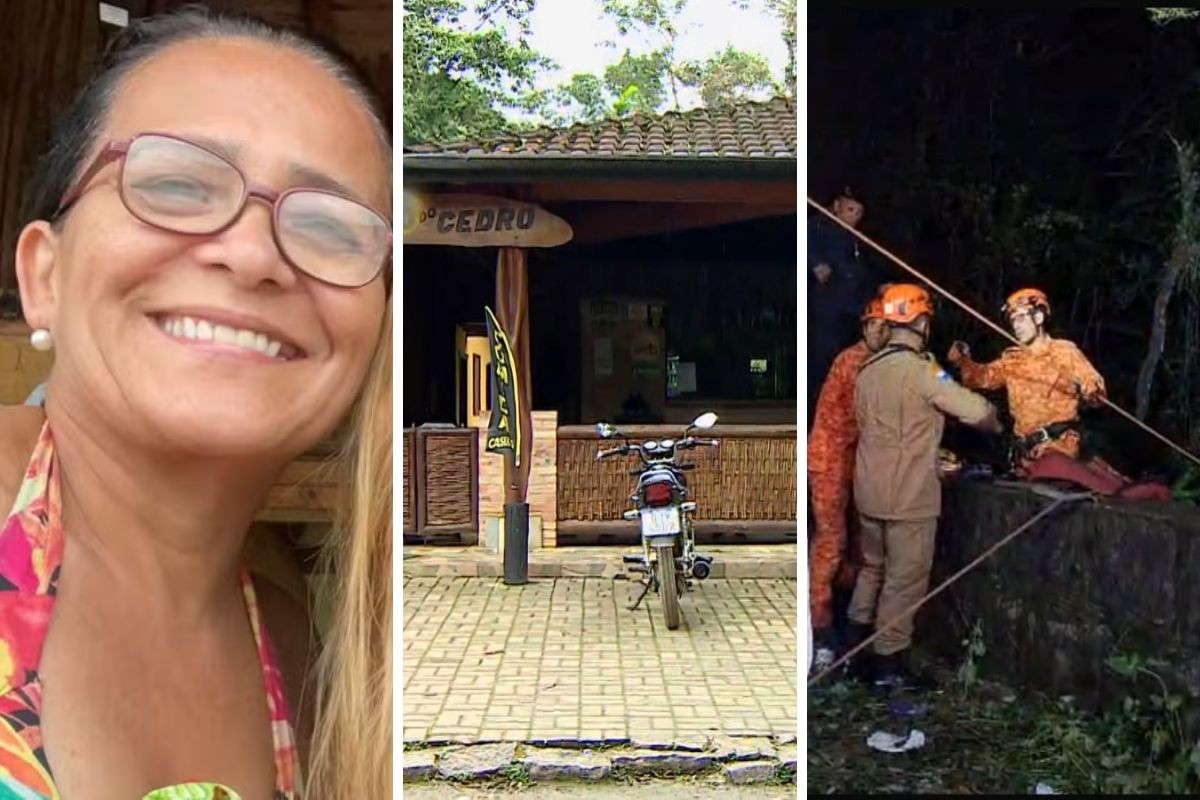
The body of Berenice Ramos de Aguiar, a 60-year-old cook who disappeared on June 30, has been found in a wooded area in Angra dos Reis, Rio de Janeiro. Her employer, businesswoman Eliane Alves dos Santos, remains in custody as the primary suspect. Aguiar vanished after leaving the restaurant where she lived and worked in Ubatuba, São Paulo. Initially, Alves dos Santos claimed she gave Aguiar a ride to a local neighborhood. However, radar data revealed her truck traveled towards Rio de Janeiro on the day of the disappearance and returned the same night. Evidence including bloodstains and signs of gunfire in the truck led to Alves dos Santos's arrest. The discovery of Aguiar's body after a 17-day search marks a new phase in the Civil Police investigation. Authorities are awaiting the conclusion of forensic examinations from the Rio de Janeiro Institute of Legal Medicine (IML) to officially identify the remains, as Aguiar's son identified her by a tattoo. The necropsy report is expected to determine the cause of death and whether Aguiar was killed before or after being taken to the wooded area. The police are also seeking to identify potential accomplices who may have assisted Alves dos Santos in disposing of the body. Further forensic reports, including confirmation of the blood origin in the truck, are pending. The investigation is expected to conclude in the coming weeks and will be submitted to the Public Prosecutor's Office.
The discovery of Berenice Ramos de Aguiar's remains shifts the investigation from a missing person case to a homicide inquiry, with her employer, Eliane Alves dos Santos, as the central suspect. The evidence, including vehicle tracking and forensic findings in the employer's truck, suggests a deliberate act and potential cover-up. Future investigative efforts will focus on corroborating forensic data, establishing a precise timeline of events, and identifying any potential accomplices, which could reveal a broader network involved in the crime. The case highlights the critical role of digital forensics and surveillance data in modern criminal investigations, while also underscoring the importance of thorough post-mortem examinations to ascertain the cause and circumstances of death.
AI-generated to prompt reflection — not editorial opinion, not advice, not a statement of fact. How this works.