Boeing 737 NG Passenger Partially Sucked Out Window During Ryanair Flight
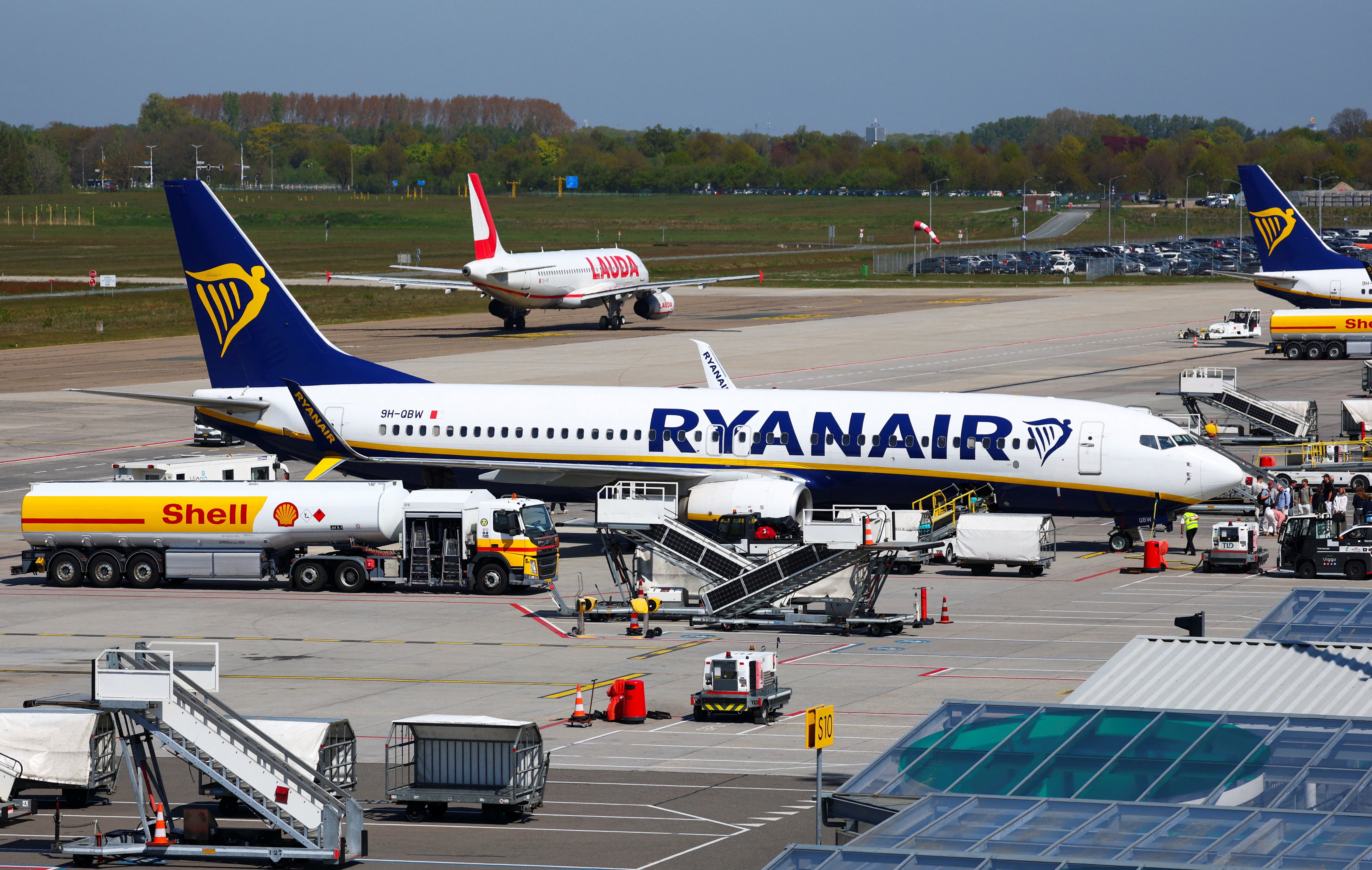
A Ryanair flight operating on a Boeing 737 NG experienced a serious incident on Friday, July 10, 2026, when a passenger was partially sucked out of the aircraft due to a window failure. The flight, en route from Thessaloniki, Greece, to Memmingen, Germany, was forced to return to Thessaloniki shortly after takeoff. According to the U.S. Federal Aviation Administration (FAA), a window broke during the flight, and the agency is ready to assist the Greek aviation authority in the investigation. Greek airport sources indicated that a piece of the engine may have detached and struck a window, causing cabin depressurization. Local media reported similar details, suggesting the engine part led to the window breach. The CFM56 engines, manufactured by CFM International, are used by Ryanair on their Boeing 737 NG models. The passenger, seated near the compromised window, was reportedly pulled out by their head and shoulders, with their wife holding their feet until other passengers assisted in pulling them back inside. Videos circulating online show a broken window and deployed oxygen masks. The aircraft had reportedly made another return to Thessaloniki the previous night, Thursday, July 9, 2026, on a flight bound for Sarajevo, though the reason for that diversion remains unclear. The aircraft is currently grounded in Thessaloniki while investigators examine the scene.
This incident involving a Boeing 737 NG highlights critical safety considerations for aging aircraft fleets and the complex interplay between engine performance, structural integrity, and passenger safety. The FAA's confirmation and offer of assistance underscore the international regulatory focus on such events. The potential detachment of an engine component, if confirmed, raises questions about maintenance protocols and the stress tolerances of airframes and windows under extreme conditions. Future investigations will likely scrutinize the maintenance history of this specific aircraft and the broader fleet, as well as the design and certification standards for window and engine components. Understanding the root cause, whether mechanical failure, external impact, or a combination, will be crucial for informing industry-wide safety enhancements and ensuring passenger confidence in air travel.
AI-generated to prompt reflection — not editorial opinion, not advice, not a statement of fact. How this works.