Boeing's 737 MAX 7 Cleared for Flight by US Regulator After Years of Scrutiny
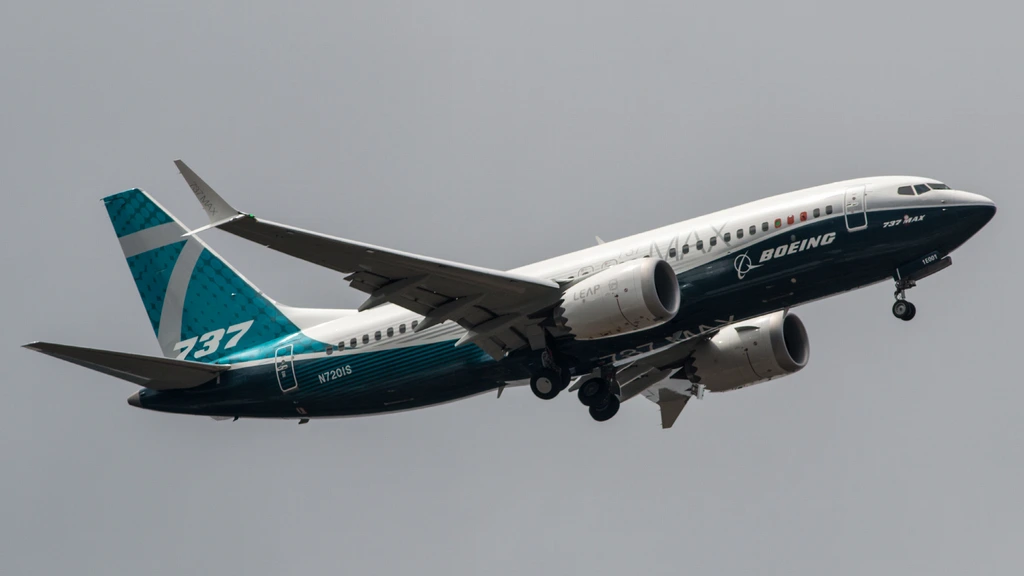
Aircraft manufacturer Boeing has finally received approval from the US Federal Aviation Administration (FAA) to deliver its smallest 737 MAX model, the 737 MAX 7. This clearance comes after a lengthy delay in certification, stemming from two fatal crashes involving other Boeing 737 MAX variants in late 2018 and early 2019. These accidents, which occurred in Ethiopia and Indonesia, resulted in the deaths of 346 people and led to a global grounding of the aircraft. Further complicating matters, another Boeing aircraft from the 737 MAX line lost a portion of its fuselage over the United States in 2024. Consequently, certain Boeing aircraft were prohibited from flying, and the manufacturer faced restrictions on selling new planes. The 737 MAX 7, initially envisioned as a future fleet addition for American airlines due to its size and fuel efficiency, was originally slated for delivery in 2019. However, the FAA's heightened scrutiny of Boeing's production processes following the earlier MAX 8 and MAX 9 incidents prevented this. The FAA stated that the approval signifies "years of effort to resolve complex technical issues and complete a thorough assessment of the aircraft's design and associated safety analyses." Boeing has announced that the first MAX 7 deliveries will soon be made to American airline Southwest Airlines. The news was met positively by investors, with Boeing's stock price rising nearly 8% after the US market opened, indicating a partial recovery from its previous low.
The FAA's approval of the Boeing 737 MAX 7 marks a significant step in restoring market confidence following a period of intense regulatory oversight and public scrutiny. This decision, while positive for Boeing's immediate operational and financial outlook, underscores the critical balance between technological advancement in aviation and the paramount importance of safety certification. The extended review process highlights the evolving dynamics of aerospace regulation in the face of complex systemic risks. Looking ahead, the industry's ability to consistently demonstrate robust safety protocols and transparent manufacturing processes will be crucial for long-term trust and sustainable growth, particularly as new aviation technologies emerge and market demands shift.
AI-generated to prompt reflection — not editorial opinion, not advice, not a statement of fact. How this works.
