Boiling Potatoes: Cold vs. Hot Water for Optimal Taste and Texture
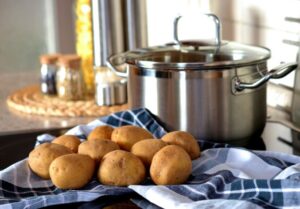
The method of boiling potatoes, specifically whether to start them in cold or hot water, significantly impacts their final taste, texture, and nutrient retention. While seemingly simple, this culinary decision is often debated among home cooks. The optimal approach depends on the intended use of the potatoes. For dishes where the potatoes should hold their shape, such as in salads or roasted sides, starting them in cold water is generally recommended. This allows the potatoes to cook more evenly from the outside to the inside, preventing them from becoming mushy. Conversely, if the goal is to achieve a fluffy texture for mashed potatoes or a creamy soup, beginning the cooking process in boiling water can be more effective. The rapid heat shock from boiling water can help break down the starches more quickly, leading to a softer, more yielding result. Therefore, understanding the desired outcome is key to choosing the correct starting water temperature for boiling potatoes. This technique ensures that the potatoes are cooked to perfection, maximizing both flavor and nutritional value.
The choice between starting potatoes in cold or boiling water presents a practical culinary trade-off between texture control and cooking speed. From a systemic perspective, understanding these basic cooking principles allows individuals to optimize food preparation for desired outcomes, potentially reducing food waste by achieving better results. This knowledge empowers consumers to make informed decisions, moving beyond rote tradition to a more scientific approach to cooking. In the context of a future where resource efficiency and nutritional optimization may become increasingly important, mastering such fundamental techniques can contribute to more sustainable and healthier food systems. The underlying principle relates to heat transfer dynamics and starch gelatinization, demonstrating how simple physical processes influence complex biological and chemical changes in food.
AI-generated to prompt reflection — not editorial opinion, not advice, not a statement of fact. How this works.