Boituva Family Waits Four Days for Cremation Amidst Police Shift Suspensions
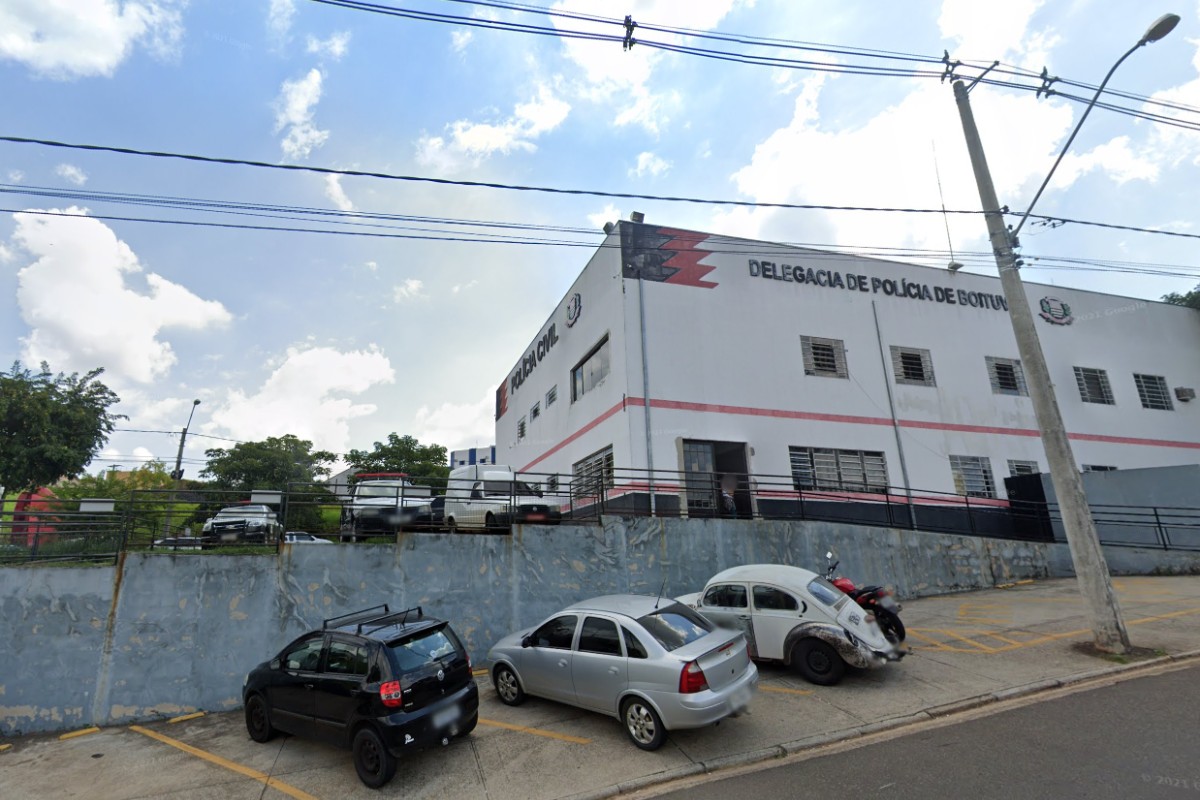
A family in Boituva, São Paulo, experienced a four-day delay in cremating a relative who passed away on Friday, November 17th. The complication arose because the deceased had not explicitly documented his wish for cremation, necessitating a court order. This order requires confirmation that the death is not under police investigation, signed by a judge, medical examiner, and the local police chief. The family faced significant hurdles in obtaining these signatures over the weekend, as the Boituva police station's on-site shift had concluded. They sought assistance in Tatuí, Itapetininga, and Sorocaba but could not secure the necessary delegate's signature due to the absence of an available representative. The required documentation was finally issued on Monday, November 20th, with the resumption of normal business hours at the Boituva police station. The cremation is scheduled for Tuesday, November 21st, in Piracicaba. This incident highlights broader issues stemming from the suspension of night shifts at police stations in Boituva, Cerquilho, and Tietê since July 9th, due to a shortage of civil police officers. Consequently, all arrests are now being processed in Tatuí. The Boituva municipality has expressed its support by providing ten public employees and covering rental costs for a new facility while awaiting the original station's renovation. Residents are advised to use online reporting or attend during weekday business hours, with the Municipal Civil Guard offering support and transporting any apprehended individuals to Tatuí. The municipality has also formally requested increased police presence and the reopening of a dedicated support center for domestic violence victims.
The extended wait for a family to cremate a relative, exacerbated by police shift suspensions and documentation backlogs, points to systemic inefficiencies in public safety resource allocation. The reliance on weekend on-site personnel for critical judicial and investigative sign-offs, when faced with a deficit of officers, creates bottlenecks that directly impact citizens during sensitive personal circumstances. The municipal government's proactive support, including personnel and financial contributions, underscores the strain placed on local administrations when state-level staffing shortages disrupt essential services. Moving forward, exploring decentralized digital verification systems for routine documentation, or establishing clear protocols for emergency authorization during off-hours, could mitigate such delays. This situation prompts consideration of how to build more resilient administrative processes within law enforcement agencies, ensuring continuity of service and citizen support even amidst staffing challenges and operational adjustments, particularly in the context of an aging population and increasing demand for cremation services.
AI-generated to prompt reflection — not editorial opinion, not advice, not a statement of fact. How this works.