Bolivia Prosecutor Orders Arrest of Former President Evo Morales
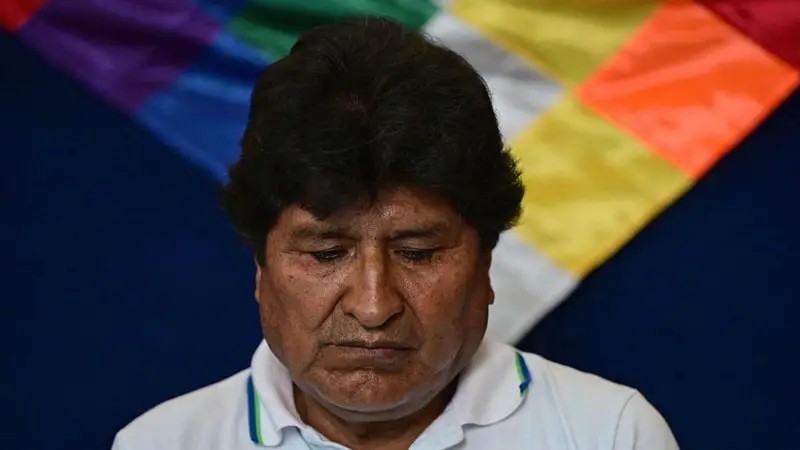
The Departmental Prosecutor's Office of Santa Cruz, Bolivia, has issued an arrest warrant for former President Evo Morales. He is accused of inciting recent protests and road blockades that paralyzed the country for over 50 days. Morales, who led Bolivia from 2006 to 2019, denies the charges and claims he is a victim of political persecution by the current government of President Rodrigo Paz. He argues the accusations are a distraction from Bolivia's severe economic and social crisis. The Bolivian Prosecutor's Office has charged Morales with six crimes, including armed uprising, terrorism, and public incitement to crime. The investigation began with a complaint from the Comité Pro-Santa Cruz, a regional business and labor association, later joined by the Minister of Government. The government, through presidential spokesperson José Luis Gálvez, stated that the arrest order comes from the judiciary, not the executive branch. Morales has defended the protests as legitimate responses to the Paz government's economic policies, inflation, and fuel shortages, recalling past uses of road blockades to achieve democratic goals. The protests in May and June resulted in significant shortages, 22 deaths, 88 injuries, and 573 arrests, according to the Bolivian Ombudsman's Office. Separately, an earlier arrest warrant issued in 2024 for alleged human trafficking, stemming from accusations of a relationship with a minor during his presidency, remains active. Morales has denied these charges, calling it a "brutal judicial war" initiated by his successor, Luis Arce. He is currently in Chapare, his political stronghold, reportedly protected by hundreds of supporters.
The legal actions against former Bolivian President Evo Morales highlight a recurring tension between political leadership and judicial processes in the country. The accusations of inciting unrest and terrorism, if pursued rigorously, could significantly impact Morales's political future and the stability of Bolivia's democratic institutions. However, Morales's claims of political persecution, coupled with the government's assertion that the judiciary acts independently, suggest a complex interplay of political motives and legal proceedings. The prolonged period of social unrest and its tragic consequences, as detailed in the Ombudsman's report, underscore the systemic challenges Bolivia faces in managing dissent and ensuring public safety. Future governance models will need to address the underlying socio-economic grievances that fuel such conflicts, while ensuring that legal frameworks are applied impartially, without succumbing to political pressures, to foster lasting stability and public trust.
AI-generated to prompt reflection — not editorial opinion, not advice, not a statement of fact. How this works.