Bolivian Police Dispute Cocaine Presence in 260-Ton Timber Seizure
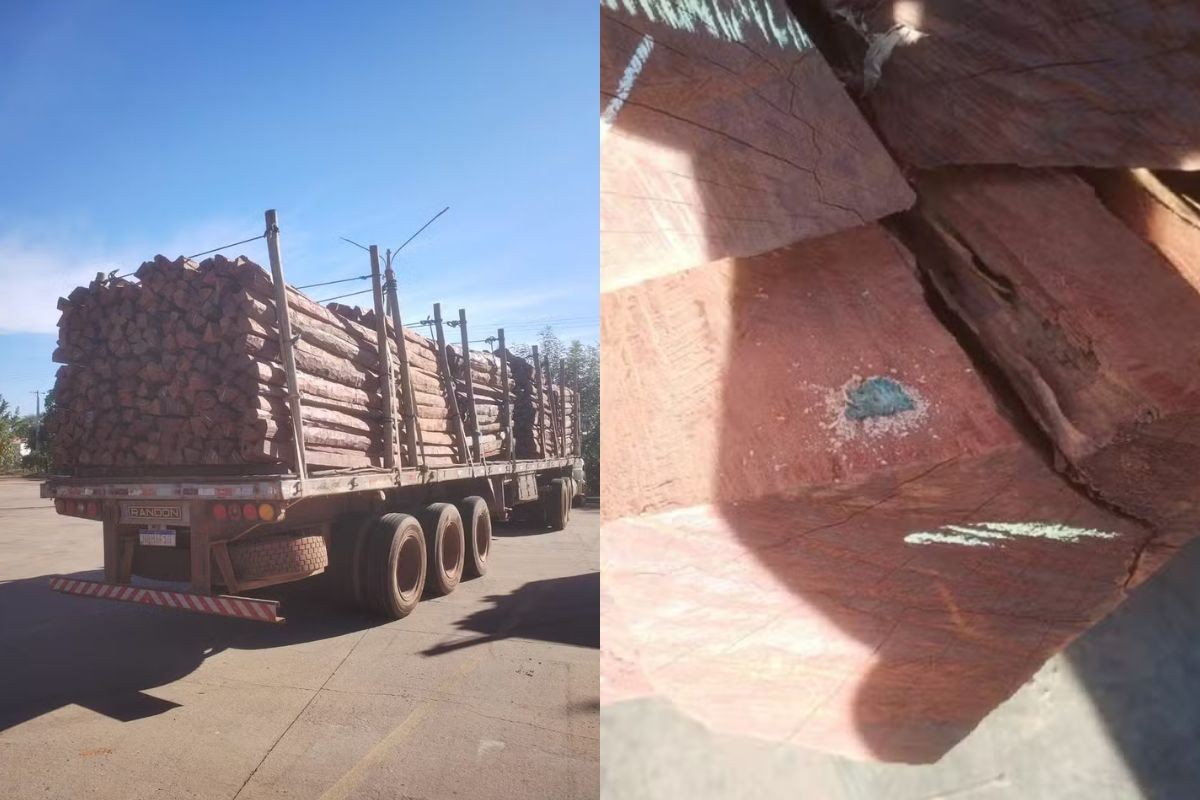
The Bolivian Police are contesting the presence of cocaine in a 260-ton shipment of timber seized at the Brazil-Bolivia border in Corumbá, Mato Grosso do Sul, in June. Initially hailed as a potential record cocaine bust, the seizure is now under scrutiny as Bolivian authorities claim new tests have not confirmed the drug's presence. The Brazilian Federal Revenue Service (Receita Federal) is holding the cargo on the Brazilian side pending definitive laboratory results. Preliminary tests conducted by the Receita Federal on June 21 had indicated the possibility of diluted cocaine within the wood, leading to the operation's announcement as potentially the largest drug seizure in history. However, Bolivian Police Commander Mirko Sokol stated that preliminary lab analyses suggest no grounds for further investigation. The Federal Revenue Service maintains the cargo's retention as it remains an active investigation, though the vehicles have been released and no arrests have been made. The Federal Police stated they will comment only after July 31, the deadline for the final report on the drug's presence. The seizure, part of Operation Timber Shield, involved Brazilian and US intelligence agencies, the Brazilian Federal Police, and the Brazilian Army, with information from US and Bolivian customs initially flagging the shipment. A sniffer dog reportedly alerted officers to one of the suspicious loads. The timber, destined for Mato Grosso do Sul and Paraná, was found with the drug in liquid form mixed with the wood structure, making complete extraction impractical due to the process's cost and time. Importers are facing significant financial losses due to the prolonged detention, with daily truck rental costs reaching R$44,000, and legal representatives are seeking to exempt businesses from these expenses.
This incident highlights the complexities of international drug interdiction and the potential for discrepancies in preliminary versus conclusive forensic findings. The divergence in conclusions between Brazilian and Bolivian law enforcement agencies underscores the critical need for standardized testing protocols and transparent information sharing across borders to avoid premature public pronouncements and potential diplomatic friction. The significant logistical and financial impact on legitimate importers, as detailed by Alessandro Castro and his legal counsel, raises questions about the proportionality of investigative measures and the establishment of clear accountability frameworks for damages incurred during prolonged detentions. Moving forward, a focus on robust, multi-jurisdictional verification processes for high-value seizures will be essential to maintain operational integrity and mitigate unintended economic consequences for trade partners.
AI-generated to prompt reflection — not editorial opinion, not advice, not a statement of fact. How this works.